Gympie, QLD

Good to know:
Gympie Regional Council is situated in Queensland, encompassing a diverse area known for its historical significance in the gold mining era. The region covers approximately 6,898 square kilometres and includes the city of Gympie, as well as numerous rural communities. It is characterised by its scenic beauty, featuring national parks, fertile agricultural land, and picturesque beaches along the Cooloola Coast. Key attractions include the Gympie Music Muster, heritage rail experiences, and the Mary Valley Rattler. The region also supports agriculture, forestry, and tourism, contributing to its vibrant local economy.
Read More
Gympie QLD property market data indicates a typical house price of $825,292 with a median rent of $548 per week, resulting in a gross rental yield of 3.45%, which is above the minimum recommended threshold of 3%. The affordability measure reveals an extended period of 49 years to fully own a property, exceeding the preferred maximum of 30 years. These figures reflect an established market with moderate value and rental returns, but affordability challenges may dampen broader buyer demand.
Property market outlook
The Gympie property market shows balanced supply and demand dynamics. Stock on market at 0.84% and inventory of 3.53 months both fall within neutral ranges, suggesting neither an oversupplied nor undersupplied environment. The moderately high hold period of 8.29 years indicates stable ownership and limited turnover. Days on Market (DoM) at 33 days denotes a relatively active sales pace, supportive of pricing stability. However, the low auction clearance rate of 20% is a sign of subdued competitive bidding, which may limit short-term price growth. Vacancy rate at 1.25% is within the neutral band, indicating rental market balance.
Pros
- Rental yield at 3.45% exceeds minimum benchmarks, offering reasonable income returns.
- Units to houses ratio at 6.0% signals a low unit supply level, potentially reducing competition for houses.
- Days on market at 33 days indicates reasonably strong buyer demand and sales velocity.
- Renter to owner ratio at 22.0% is neutral, reflecting a balanced market between renters and owner-occupiers.
Cons
- IRSAD at 913 is below the neutral threshold of 920, suggesting socioeconomic disadvantage which may impact future capital growth prospects.
- Affordability at 49 years is significantly above desirable levels, potentially limiting buyer pool participation.
- Clearance rate at 20% is unfavourable, reflecting weak auction demand and price pressure.
- Vacancy rate at 1.25%, while neutral, is closer to the higher end of the range, pointing to slight rental market softening.
Investment strategies
Investors targeting Gympie’s property market should consider a focus on acquiring houses given the low unit supply ratio, which may preserve capital growth potential. Properties offering yields above 3% suggest moderately attractive income streams, but caution is warranted given elevated ownership tenure and affordability constraints. Due diligence should emphasise rental demand sustainability amid neutral vacancy levels. Long-term investors with capacity to absorb slower capital growth could capitalise on the stable market conditions, while more speculative strategies may face headwinds from subdued auction clearance rates.
Is Gympie QLD a good LGA to invest in?
Gympie presents a mixed proposition for investors. The property market's moderate yields and balanced supply-demand framework provide a foundation for steady returns. However, below-par socioeconomic indicators and poor auction clearance rates restrain robust capital growth expectations. High affordability years further constrain market entry for many buyers, making it important for investors to align strategies with longer holding periods and income-focused property acquisition. Overall, Gympie may suit investors prioritising rental income and market stability over rapid capital appreciation.
About HtAG Analytics Data
HtAG Analytics reports a broad set of metrics for LGAs, including typical price, median rent, yield, IRSAD, renter to owner ratio, unit to house ratio, affordability (years to own), supply indicators (stock on market %, inventory months, building approvals ratio, hold period), demand markers (days on market, clearance rates, vacancy), and confidence scores. These metrics are interpreted against defined thresholds categorised as unfavourable, neutral, or opportune to provide context. Unlike generalist data providers relying on broad public datasets, HtAG’s methodology integrates current market conditions with historical trends for precise relative analysis tailored to point-of-purchase decisions within specific LGAs like Gympie. It is critical to consider metric trends and individual investor criteria in detailed market assessments, as one-size-fits-all conclusions inadequately capture the complex dynamics influencing property investment outcomes.
Updated: 1 May 2026
Read Less
Quick Area Stats

Dwellings

Population

EDI

Bushfire Risk Index

Flood Risk Index
Education & Infrastructure
Sign Up to Access

School Rank

Infra. Spend
Market Trends
Essential metrics effectively streamline the process of identifying markets that match your financial situation and investment objectives. Typical Price, Indicative Yield and Total ROI provide a swift means to shortlist areas that resonate with what you’re seeking and can afford. These metrics also serve as valuable general trend indicators, allowing you to visualise transaction volumes and dynamics of change.
1M
1Q
1Y
3Y
5Y
7Y
10Y
1M
1Q
1Y
3Y
5Y
7Y
10Y

1M
1Q
1Y
3Y
5Y
7Y
10Y
The Growth Rate Cycle (GRC) is a metric used to analyse the year-on-year change in property values, providing insights into the growth cycle of a particular area. It uses the “typical price” metric to gauge property values more accurately than median prices, and includes both actual and projected data for the current year.

Fundamental metrics play a vital role in providing a comprehensive analysis of the socio-economic environment within a specific suburb or region. Additionally, the Return on Investment (ROI) and Volatility Index are crucial metrics that aid in evaluating the prospective profitability and the level of risk or stability in the market.
Socio-economics
Sign Up to Access

IRSAD

Renter to Owner

Units to Houses
Projections
Sign Up to Access

Projected Annual ROI

Volatility Index
Quick Area Stats
Sign Up to Access

Annual Sales Volume

Annual Rentals Volume



Stock on Market

Building Approvals

Inventory

Hold Period


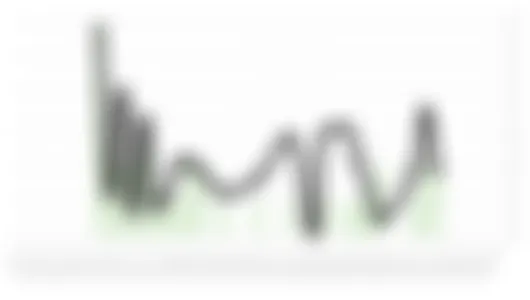

Supply metrics are crucial in gauging both the existing volumes of real estate listed for sale and the properties anticipated to enter the market soon. A diminished supply could signal opportunities for price appreciation, particularly when there’s corresponding buyer demand to buoy the market. The Stock on Market and Inventory level metrics (current values) are presented as a 3-month rolling average of monthly data shown in the charts. This means the last 3 months of data are averaged. The BA Ratio represents the proportion of building approvals over the latest 12 months relative to the total dwellings in the area.

Days on Market

Search Index

Vacancy Rate

Clearance Rate




Demand metrics underscore the level of interest that potential property buyers or tenants have in a specific suburb or locality. When demand outstrips the available supply, or if the supply fails to meet the intensity of buyer/renter interest, there’s a potential for prices to climb, underscoring the pivotal relationship between demand dynamics and property value trends. The Days on Market and Clearance Rate metrics (current values) are presented as a 3-month rolling average of monthly data shown in the charts. This means the last 3 months of data are averaged.
We invite you to contribute to the conversation by sharing your thoughts or raising questions about this market in the comment section below.