
Rural View, QLD 4740

Good to know:
Rural View is a picturesque suburb located in the Mackay Region of Queensland, with the postcode 4740. This suburban area offers a blend of coastal and rural living, known for its elevated landscapes that provide stunning ocean views. It's a family-friendly community featuring modern amenities, including shopping centres, schools, and parks. Northern Beaches Central Shopping Centre is a key shopping hub here. Rural View is also in close proximity to the beautiful beaches of Mackay's Northern Beaches, making it a desirable location for those seeking a relaxed, coastal lifestyle with easy access to urban conveniences.
Read More
Rural View QLD 4740 shows a typical house price of $787,710, a rolling-year median rent of $711 pw and a gross yield of 4.69% — the suburb-level property market offers a combination of above‑average socio‑economic scores and reasonable rental income but also a slightly elevated vacancy risk. Rural View QLD 4740 property investment for houses is supported by low stock on market (0.4%) and a strong IRSAD (1042), while days on market (34 days) point to ongoing buyer interest; investors should weigh these positives against a vacancy rate of 3.96% which could pressure short‑term rental returns.
Property market outlook
Rural View’s house market is structurally supportive for medium‑term investors. Low visible supply (SoM at 0.4%) and a sub‑35 days on market figure are consistent with a market where listings clear relatively quickly, which historically supports price resilience. IRSAD at 1042 indicates stronger socio‑economic fundamentals, which tend to correlate with steadier demand and lower downside in downturns. Yields near 4.7% make houses attractive from an income perspective relative to many coastal regional markets.
Counterbalancing this, vacancy at 3.96% is above the balanced threshold and signals elevated rental risk — likely driven by local rental cycle dynamics or seasonal demand fluctuations in the region. Inventory of 2.39 months and a building approvals ratio of 1.39% are in the neutral zone, suggesting no imminent supply shock but also no meaningful constraint on future supply. Overall, expect modest capital growth potential with reliable cashflow for long‑hold buyers who manage leasing risk.
Pros
- Yield: 4.69% gross — comfortably above the 3% minimum guideline for income investors.
- Socio‑economic profile: IRSAD 1042 (opportune) supports long‑term price resilience and tenant quality.
- Low visible listings: SoM 0.4% (opportune) indicates tight listed supply and buyer competition.
- Affordability: Years to own 29 — within the 30‑year threshold, making finance serviceability comparatively accessible.
- Scarcity of units: Units/Houses ratio 3% (opportune) reduces competition from apartment supply for house buyers.
- High confidence: Data labelled High confidence, increasing reliability of the snapshot metrics.
Cons
- Vacancy risk: Vacancy rate 3.96% (unfavourable) — elevated rental vacancy could extend time between tenancies and compress net rental returns.
- Inventory balanced: 2.39 months — not tight enough to eliminate downside if demand softens.
- Building approvals (1.39%) are neutral — there is potential for new supply to moderate price growth if approvals convert to completions.
- Renter/Owner mix neutral: RO ratio 28% — stable but not strongly investor- or owner‑occ driven, so market dynamics can shift depending on broader regional demand.
Investment strategies
- Core buy-and-hold (income + steady growth): For investors prioritising yield and low turnover, Rural View houses offer ~4.7% gross yield and reasonable affordability. Target well‑presented three‑bedroom houses that appeal to long‑term tenants (families, tradespeople) to reduce vacancy exposure.
- Active leasing and vacancy mitigation: With vacancy close to 4%, tighten tenancy risk by offering longer leases to high‑quality tenants, modest incentives for signings (e.g. included lawn service or professional cleaning), and professional property management to keep DoRM low.
- Value-add renovations: Small to medium renovation programs that increase functional living areas or storage can materially lift rent and capital value in family‑oriented suburbs where unit competition is minimal.
- Off‑market and auction focus: Low stock on market and quick clearance tendencies favour buyers who access off‑market opportunities and target motivated vendors. Work with local buyer agents to secure opportunities before they hit public listings.
- Timing and horizon: Given neutral building approvals and inventory, prefer a medium‑to‑long investment horizon (5+ years) to capture rental growth and moderate capital appreciation while smoothing cyclical vacancy spikes.
- Portfolio diversification: Combine Rural View exposure with adjoining suburbs to spread vacancy and demand risk; consider suburbs with lower vacancy and similar socio‑economic profiles to balance the portfolio.
Is Rural View QLD 4740 a good suburb to invest in?
Rural View QLD 4740 is a reasonable suburb for house investors seeking above‑average yields and socio‑economic support for capital preservation. The combination of a strong IRSAD (1042), attractive gross yield (4.69%) and low listed supply (SoM 0.4%) supports both income and downside protection. However, the vacancy rate at 3.96% is a clear caution — it increases the likelihood of rental downtime and means net returns will be sensitive to management quality and tenant demand.
In short: for investors who can secure the right stock (owner‑appealing houses), actively manage tenancies and accept a multi‑year hold, Rural View is an attractive addition. For pure capital‑gain speculators or short‑term, high‑leverage strategies, the elevated vacancy and neutral supply indicators suggest a more cautious approach or the need for complementary markets with tighter rental conditions.
About HtAG Analytics Data
Base metrics reported for this suburb (per dwelling type unless noted): Typical Price, Median Rent, Sales, Rentals, Δ Change (price/rent movement vs prior periods), Yield (Gross Rental Yield), Capital Growth (annualised estimate with low/high range), Total RoI (Yield + CG), Rent Increase (annualised projection), Volatility Index (MAPE‑based), Confidence (data reliability), Relative Composite Score. There are additional metrics available in our dashboards (e.g. detailed supply curves, school catchment indicators, micro‑suburb demographics) but the above represent the core set used for initial shortlisting.
Key metric ranges used in our suburb assessments (selected examples):
- IRSAD: opportune >950, neutral 920–950, unfavourable <920.
- Renter/Owner ratio: opportune <15%, neutral 15–45%, unfavourable >45%.
- Units/Houses ratio: opportune <10%, neutral 10–50%, unfavourable >50%.
- SoM% (stock on market): low supply <0.4%, balanced 0.4–1.3%, high supply >1.3%.
- Inventory (months): low <2.1, balanced 2.1–4.5, high >4.5.
- Vacancy rate (joint): high demand <1%, balanced 1–3.5%, low demand >3.5%.
- Years to Own (affordability): >30 years indicates reduced affordability risk.
HtAG metrics are designed to capture current conditions and historical trends simultaneously to enable relative market analysis at or near the point of purchase. In the context of Rural View QLD 4740, that means our figures (e.g. typical price, yield, vacancy and supply indicators) are curated to reflect local listing behaviour, recent transaction history and rental market patterns rather than only broad public feeds. While other providers (for example, those that rely mainly on public aggregated data) frame macro narratives, HTAG focuses on the micro signals most relevant to buyers and investors operating at suburb and street levels — the methodological differences produce distinct, purchase‑focused insights.
Finally, note that the snapshot above summarises current value metrics for Rural View houses but does not replace trend analysis — metric trajectories (rising or falling vacancy, accelerating approvals, changing days on market) materially affect decisions. Some metrics carry greater weight depending on strategy (yield investors vs growth investors vs developers). Market selection is inherently personal: budgets, borrowing capacity, risk appetite and intended hold/refinance timelines will produce different suburb choices. HTAG excels at shortlisting and ranking suburbs against investor‑specific criteria rather than providing one‑size‑fits‑all recommendations; for buyer agents and serious investors we recommend comparative analysis across a tailored set of nearby markets aligned to your strategy.
Updated: 1 Jun 2026
Read Less
Quick Area Stats

Dwellings

Population

EDI

Bushfire Risk Index

Flood Risk Index
Education & Infrastructure
Sign Up to Access

School Rank

Infra. Spend
Market Trends
Essential metrics effectively streamline the process of identifying markets that match your financial situation and investment objectives. Typical Price, Indicative Yield and Total ROI provide a swift means to shortlist areas that resonate with what you’re seeking and can afford. These metrics also serve as valuable general trend indicators, allowing you to visualise transaction volumes and dynamics of change.
1M
1Q
1Y
3Y
5Y
7Y
10Y
1M
1Q
1Y
3Y
5Y
7Y
10Y

1M
1Q
1Y
3Y
5Y
7Y
10Y
The Growth Rate Cycle (GRC) is a metric used to analyse the year-on-year change in property values, providing insights into the growth cycle of a particular area. It uses the “typical price” metric to gauge property values more accurately than median prices, and includes both actual and projected data for the current year.

Fundamental metrics play a vital role in providing a comprehensive analysis of the socio-economic environment within a specific suburb or region. Additionally, the Return on Investment (ROI) and Volatility Index are crucial metrics that aid in evaluating the prospective profitability and the level of risk or stability in the market.
Socio-economics
Sign Up to Access

IRSAD

Renter to Owner

Units to Houses
Projections
Sign Up to Access

Projected Annual ROI

Volatility Index
Quick Area Stats
Sign Up to Access

Annual Sales Volume

Annual Rentals Volume



Stock on Market

Building Approvals

Inventory

Hold Period




Supply metrics are crucial in gauging both the existing volumes of real estate listed for sale and the properties anticipated to enter the market soon. A diminished supply could signal opportunities for price appreciation, particularly when there’s corresponding buyer demand to buoy the market. The Stock on Market and Inventory level metrics (current values) are presented as a 3-month rolling average of monthly data shown in the charts. This means the last 3 months of data are averaged. The BA Ratio represents the proportion of building approvals over the latest 12 months relative to the total dwellings in the area.

Days on Market

Search Index

Vacancy Rate

Clearance Rate




Demand metrics underscore the level of interest that potential property buyers or tenants have in a specific suburb or locality. When demand outstrips the available supply, or if the supply fails to meet the intensity of buyer/renter interest, there’s a potential for prices to climb, underscoring the pivotal relationship between demand dynamics and property value trends. The Days on Market and Clearance Rate metrics (current values) are presented as a 3-month rolling average of monthly data shown in the charts. This means the last 3 months of data are averaged.
We invite you to contribute to the conversation by sharing your thoughts or raising questions about this market in the comment section below.
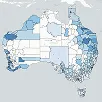

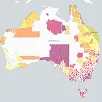


The total adult population (15 years or older) of Rural View 4740 QLD is 4,222, with a median age of 31. Of those, 49.76% are married, 9.81% are divorced or separated, 38.58% are single and 1.97% are widowed.
The average household size is 3.0 people per dwelling, and the median household monthly income is estimated to be $10,584. The median monthly mortgage repayment for households in this suburb is $1,907 which is 18.02% of their earnings.
Source: ABS Census Data (2021)