
Harristown, QLD 4350

Good to know:
Harristown, QLD 4350, is a well-established suburb located in the city of Toowoomba. Known for its family-friendly atmosphere, Harristown features a mix of character homes and modern developments. The suburb boasts several parks, including the popular Laurel Bank Park, providing ample green space for recreation. It is well-served by amenities, including schools such as Harristown State High School, shopping centres, and medical facilities. Its proximity to the Toowoomba CBD ensures residents have easy access to a broader range of services and entertainment options. Harristown offers a comfortable, suburban lifestyle within a thriving regional city.
Read More
Harristown QLD 4350 shows a typical house price of $794,898, a rolling-year median rent of $514 pw and a gross yield of 3.36%. This Harristown QLD 4350 property market snapshot highlights tight listed stock and brisk sale activity alongside structural affordability and socio‑economic constraints; the dataset confidence is High.
Property market outlook
Harristown houses sit in a market with mixed signals. Supply-side indicators are relatively supportive of price retention: Stock on Market at 0.4% is classified as opportune (low supply) and Building Approvals Ratio of 0.06% points to very limited near‑term new supply. Days on Market of 17 days confirms active buyer demand. Inventory at 3.49 months and a vacancy rate of 1.08% are in the neutral band—enough listings to give choice but not so many as to push rents down. Demand indicators (Buy Search Index 4, Clearance Rate 0.0%) are neutral; auction activity is minimal which is common in some regional markets.
Key structural constraints are material for capital growth prospects: IRSAD is 892 (below the neutral threshold), indicating weaker socio‑economic conditions versus markets that typically outperform long‑term. Affordability is strained — the years‑to‑own estimate of 50 years is very high and reduces the pool of owner‑occupier buyers and refinancing flexibility. Yield of 3.36% is above a 3% floor but modest for yield‑seeking investors; it supports rental cashflow but offers limited buffer against interest rate rises. Overall, expect steady rental demand but measured capital growth unless socio‑economic conditions improve or demand materially increases.
Pros
- Low Stock on Market (0.4%): tightly listed market supportive of price stability and selective negotiation power for sellers.
- Low building approvals (0.06%): limited pipeline supply reduces future competitive pressure.
- Fast sales: Days on Market 17 days indicates solid buyer activity and quick transaction turnover.
- Rental fundamentals adequate: median rent $514 pw and vacancy ~1.08% support ongoing cashflow; yield 3.36% is positive versus a 3% minimum.
- Data confidence High: sample size and transaction activity produce reliable short‑term readings for the suburb.
Cons
- Low IRSAD (892): socio‑economic profile below neutral threshold may cap premium capital growth relative to higher IRSAD suburbs.
- Very poor affordability (50 years): high years‑to‑own reduces owner‑occupier participation and can limit price upside.
- Modest yield: 3.36% offers limited margin for costs and rate rises — less attractive for aggressive cash‑flow strategies.
- Clearance Rate 0.0% and low auction activity: fewer auctions can obscure heat in price discovery and reduce comparable high‑sale data.
- Neutral inventory and demand indices: while not weak, they do not indicate clear high‑growth momentum.
Investment strategies
- Core buy‑and‑hold (houses): For investors targeting stable rental income with modest capital upside over a medium to long horizon (5–10+ years). Prioritise well‑maintained three‑ to four‑bedroom houses that attract family tenants; the low vacancy supports steady leasing.
- Value and cashflow focus: Given the modest yield but low vacancy, structure purchases where serviceability and cashflow are preserved (lower gearing or larger equity buffer). Aim for properties that can increase rents modestly through targeted updates (kitchen/bathroom or energy efficiency) to improve rent growth prospects.
- Avoid short turnaround flips: With affordability constraints and neutral supply/demand balance, short-term trading is riskier. Seek longer hold periods to allow secular improvements (local amenity upgrades or re‑rating of socio‑economic status) to feed through.
- Comparative buying: Use Harristown as a comparator when shortlisting neighbouring Ipswich/Toowoomba suburbs — relative value plays can surface if nearby markets show stronger IRSAD or faster affordability improvements.
- Monitor trigger metrics: watch building approvals, SoM%, vacancy rate and DoM. A sustained fall in SoM% below 0.3% or vacancy below 1% would be a signal for stronger capital growth potential; conversely rising years‑to‑own or IRSAD deterioration warrants caution.
Is Harristown QLD 4350 a good suburb to invest in?
Harristown QLD 4350 is a pragmatic option for investors seeking rental stability rather than rapid capital gains. The housing market has supply characteristics that support price resilience (low stock, limited approvals and quick sales), and rental demand is adequate to sustain cashflow at current yields. However, the suburb’s low IRSAD and very poor affordability materially reduce its potential to outperform higher‑socioeconomic markets on a pure capital growth basis. For conservative buy‑and‑hold investors and buyers agents sourcing dependable tenancy outcomes, Harristown warrants consideration; for investors chasing strong short‑term capital appreciation, higher IRSAD and more affordable growth corridors may be preferable.
About HtAG Analytics Data
HtAG reports a base set of suburb metrics (there are more specialist measures on dashboards). Common metrics include: Typical Price, Median Rent, Sales and Rentals counts, Δ Change over multiple lookbacks, Gross Rental Yield, Capital Growth (annualised with low/high bounds), Total RoI (Yield + CG), Rent Increase (annualised), Volatility Index (MAPE‑based), Confidence (data accuracy proxy) and Relative Composite Score™. Fundamental context metrics we use include IRSAD, Renter/Owner ratio, Units/Houses ratio, Years to Own, Growth Rate Cycle (GRC) and supply indicators such as Stock on Market %, Inventory (months), Building Approvals Ratio and Hold Period.
HtAG’s methodology is designed to capture both current market conditions and historical trends to enable relative market analysis at or near the point of purchase. Unlike some public‑facing providers that emphasise broad trend reporting for media narratives, HtAG metrics are curated and measured with the objective of analysing and comparing suburbs for actionable property decisions. Metric names may look similar across vendors, but HtAG’s data curation, sample design and measurement nuances are focused on short‑list selection and transaction‑level comparisons.
Note that the snapshot above reflects current value metrics for Harristown houses but does not incorporate metric trends, which can materially affect outlooks. Some metrics carry greater weight depending on the investor’s strategy, budget and time horizon — that is why market selection differs by investor. HtAG excels at shortlisting suburbs based on tailored criteria rather than one‑size‑fits‑all recommendations; for serious investors and buyers agents, performing relative analysis across comparable suburbs aligned to specific objectives is essential.
Updated: 1 May 2026
Read Less
Quick Area Stats

Dwellings

Population

EDI

Bushfire Risk Index

Flood Risk Index
Education & Infrastructure
Sign Up to Access

School Rank

Infra. Spend
Market Trends
Essential metrics effectively streamline the process of identifying markets that match your financial situation and investment objectives. Typical Price, Indicative Yield and Total ROI provide a swift means to shortlist areas that resonate with what you’re seeking and can afford. These metrics also serve as valuable general trend indicators, allowing you to visualise transaction volumes and dynamics of change.
1M
1Q
1Y
3Y
5Y
7Y
10Y
1M
1Q
1Y
3Y
5Y
7Y
10Y

1M
1Q
1Y
3Y
5Y
7Y
10Y
The Growth Rate Cycle (GRC) is a metric used to analyse the year-on-year change in property values, providing insights into the growth cycle of a particular area. It uses the “typical price” metric to gauge property values more accurately than median prices, and includes both actual and projected data for the current year.

Fundamental metrics play a vital role in providing a comprehensive analysis of the socio-economic environment within a specific suburb or region. Additionally, the Return on Investment (ROI) and Volatility Index are crucial metrics that aid in evaluating the prospective profitability and the level of risk or stability in the market.
Socio-economics
Sign Up to Access

IRSAD

Renter to Owner

Units to Houses
Projections
Sign Up to Access

Projected Annual ROI

Volatility Index
Quick Area Stats
Sign Up to Access

Annual Sales Volume

Annual Rentals Volume



Stock on Market

Building Approvals

Inventory

Hold Period




Supply metrics are crucial in gauging both the existing volumes of real estate listed for sale and the properties anticipated to enter the market soon. A diminished supply could signal opportunities for price appreciation, particularly when there’s corresponding buyer demand to buoy the market. The Stock on Market and Inventory level metrics (current values) are presented as a 3-month rolling average of monthly data shown in the charts. This means the last 3 months of data are averaged. The BA Ratio represents the proportion of building approvals over the latest 12 months relative to the total dwellings in the area.

Days on Market

Search Index

Vacancy Rate

Clearance Rate




Demand metrics underscore the level of interest that potential property buyers or tenants have in a specific suburb or locality. When demand outstrips the available supply, or if the supply fails to meet the intensity of buyer/renter interest, there’s a potential for prices to climb, underscoring the pivotal relationship between demand dynamics and property value trends. The Days on Market and Clearance Rate metrics (current values) are presented as a 3-month rolling average of monthly data shown in the charts. This means the last 3 months of data are averaged.
We invite you to contribute to the conversation by sharing your thoughts or raising questions about this market in the comment section below.
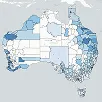

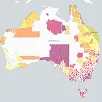


The total adult population (15 years or older) of Harristown 4350 QLD is 7,399, with a median age of 38. Of those, 37.79% are married, 15.04% are divorced or separated, 37.75% are single and 9.38% are widowed.
The average household size is 2.2 people per dwelling, and the median household monthly income is estimated to be $5,960. The median monthly mortgage repayment for households in this suburb is $1,300 which is 21.81% of their earnings.
Source: ABS Census Data (2021)