
North Hobart, TAS 7000

Good to know:
North Hobart, TAS 7000, is a vibrant inner-city suburb just north of Hobart's CBD. Known for its eclectic mix of eateries, cafes, and boutique shops, the area has become a cultural and culinary hub. The iconic State Cinema, a beloved independent cinema, is a major drawcard for film enthusiasts. The suburb boasts a blend of heritage buildings and modern developments, creating a unique architectural landscape. With easy access to schools, parks, and public transport, North Hobart is a popular choice for young professionals, families, and students alike. Its lively atmosphere and community vibe make it a sought-after suburb in Hobart.
Read More
North Hobart TAS 7000: the house market shows a typical price of $966,530, median rent of $624 per week and a gross yield of 3.36% — so North Hobart TAS 7000 property market data currently offers a yield marginally above conventional investor thresholds. Key balance points: relatively high socio‑economic score (IRSAD 1032), tight sales stock (SoM 0.27%) and low vacancy (0.47%) support rental demand, while affordability sits at an elevated 42 years which constrains owner‑occupier pool.
Overall this house market reads as supply‑constrained and rental‑demand supportive. Low listed stock and negligible building approvals limit near‑term supply; long hold periods (12.27 years) indicate tightly held established housing. However the high renter share (Renter/Owner 65%) and stretched affordability can cap price acceleration relative to more owner‑dominant suburbs. Confidence in the metrics is Medium, so use this as a well‑informed starting point rather than a single decisive signal.
Property market outlook
North Hobart houses show structural strengths for investors: low stock on market (0.27% — classified opportune / tight supply), negligible recent building approvals (BA Ratio 0.0% — limited imminent new supply) and a very low vacancy rate (0.47% — opportune, strong rental tightness). Those supply constraints tend to be supportive of capital growth and rent resilience. The area’s IRSAD of 1032 is opportune and signals above‑average socio‑economic status, which underpins demand for owner‑occupiers and higher quality tenants.
Countervailing forces include affordability at 42 years (well above the 30‑year threshold), which limits the pool of buyers and may slow broad owner‑occupier driven price growth. The market’s renter share is high (65% — unfavourable in an ownership‑bias sense), meaning the suburb is rental‑market reliant; while this sustains cashflow prospects, it also raises sensitivity to policy or demand shocks affecting renters. Days on market (65) and inventory (3.57 months) are balanced, indicating transactions still occur without extreme volatility. Data confidence is Medium — adequate for shortlist work but advisable to corroborate with comparable suburbs in Hobart.
Pros
- Tight listed supply: SoM 0.27% (opportune) and BA Ratio 0.0% reduce immediate competition from new stock.
- Strong rental market: vacancy 0.47% (opportune) and median rent $624/wk produce a gross yield of 3.36% — above a basic 3% yardstick.
- Socio‑economic fundamentals supportive: IRSAD 1032 (opportune) suggests stable demand from higher‑income cohorts and likely tenant quality.
- Tightly held stock: average hold period 12.27 years (favourable) limits churn and supports scarcity value.
- Balanced transactional tempo: DOM 65 days and inventory ~3.6 months allow for orderly negotiation without extreme buyer/seller pressure.
Cons
- High renter concentration: Renter/Owner 65% (unfavourable) implies the suburb leans heavily on rental demand rather than owner‑occupation for price support.
- Affordability strain: Years to Own 42 (>30) reduces access for first‑home buyers and can limit buyer depth at price inflection points.
- Yield moderate not high: 3.36% is acceptable but low compared with many regional markets — capital growth rather than yield is likely the primary return driver.
- Data confidence Medium: sample sizes/modest sales frequency may increase metric volatility; verify with neighbouring inner Hobart suburbs before committing.
- Clearance rate reported 0.0% (neutral) likely reflects few auctions — less transparent price discovery compared with auction markets.
Investment strategies
- Core long‑hold houses: given tight supply, low vacancy and long hold periods, target well‑sited houses for multi‑decade ownership. Expect moderate yield with capital growth potential as primary return source.
- Value add to lift rental income: modest renovations (bedroom/bathroom upgrades, kitchen modernisation) can improve market rent and yield in a low‑vacancy environment without relying on aggressive price appreciation.
- Target quality tenants and reduce vacancy risk: with a high renter population, prioritise properties that attract longer‑term professional tenants (proximity to CBD amenities, transport, schools).
- Select entry timing and negotiation strategy: DOM and discounting are neutral — there may be limited room for deep negotiation. Use low SoM as leverage to act quickly when suitable stock appears.
- Portfolio diversification: combine North Hobart houses with nearby owner‑dominant suburbs to balance renter concentration risk and improve resilience to tenant‑market shocks.
- Monitor affordability and policy: high Years to Own implies exposure to interest‑rate and mortgage serviceability shifts; plan exit/refinance horizons accordingly and stress‑test cashflows.
Is North Hobart TAS 7000 a good suburb to invest in?
Yes, for investors seeking a low‑supply, rental‑demand suburb in inner Hobart, North Hobart TAS 7000 houses are a reasonable option. The market combines opportune supply metrics (very low SoM, zero recent BA activity) with strong rental tightness (vacancy 0.47%) and an above‑average socio‑economic base (IRSAD 1032). These factors support rental income stability and prospective capital preservation or modest growth. That said, the high renter share and a long affordability horizon (42 years) mean capital growth may be more tempered and the market is more reliant on rental fundamentals than owner‑occupier buying waves. This makes North Hobart better suited to long‑term, income‑oriented strategies or blended growth/income portfolios rather than short‑term speculative plays.
About HtAG Analytics Data
HtAG reports a base set of suburb metrics designed for comparative decision‑making at the point of purchase. Core metrics include Typical Price, Median Rent, Sales, Rentals, Δ Change (periodic change), Yield (gross), Capital Growth (CG) with low/high bands, Total RoI (Yield + CG), Rent Increase (projected), Volatility Index (MAPE‑based), Confidence (data reliability) and Relative Composite Score™. There are additional supply/demand and contextual metrics — for example IRSAD, Renter/Owner ratio, Units/Houses ratio, Years to Own (affordability), Growth Rate Cycle (GRC), Stock on Market and SoM%, Inventory (months), Building Approvals and BA Ratio, Hold Period, Days on Market, Discounting, Vacancy Rate, Buy & Rent Search Index and Auction Clearance Rates — each with defined thresholds used in HTAG suburb dashboards.
HtAG’s methodology emphasises capturing both current market conditions and historical trends to enable relative market analysis at or near the point of purchase. In practice that means our metrics are curated and measured with neighbourhood‑scale intent: where some providers aggregate public data for headline trends, HTAG refines and models inputs to compare suburbs against each other and approximate conditions a purchaser will face. As a result, similar metric names between providers may mask differences in curation, smoothing, and locality mapping.
Finally, the above snapshot should be treated as a current‑value view and does not substitute for trend analysis: metric trajectories and the relative weight of individual indicators vary by strategy and investor circumstances. Different investors — depending on budget, borrowing capacity, risk appetite and intended hold/refinance timelines — will shortlist different suburbs. HTAG excels at producing shortlists tailored to those specific criteria rather than a one‑size‑fits‑all recommendation. For serious acquisition work, use these metrics as a starting shortlist and conduct relative analysis across comparable Hobart suburbs to align market selection with your portfolio objectives.
Updated: 1 May 2026
Read Less
Quick Area Stats

Dwellings

Population

EDI

Bushfire Risk Index

Flood Risk Index
Education & Infrastructure
Sign Up to Access

School Rank

Infra. Spend
Market Trends
Essential metrics effectively streamline the process of identifying markets that match your financial situation and investment objectives. Typical Price, Indicative Yield and Total ROI provide a swift means to shortlist areas that resonate with what you’re seeking and can afford. These metrics also serve as valuable general trend indicators, allowing you to visualise transaction volumes and dynamics of change.
1M
1Q
1Y
3Y
5Y
7Y
10Y
1M
1Q
1Y
3Y
5Y
7Y
10Y

1M
1Q
1Y
3Y
5Y
7Y
10Y
The Growth Rate Cycle (GRC) is a metric used to analyse the year-on-year change in property values, providing insights into the growth cycle of a particular area. It uses the “typical price” metric to gauge property values more accurately than median prices, and includes both actual and projected data for the current year.

Fundamental metrics play a vital role in providing a comprehensive analysis of the socio-economic environment within a specific suburb or region. Additionally, the Return on Investment (ROI) and Volatility Index are crucial metrics that aid in evaluating the prospective profitability and the level of risk or stability in the market.
Socio-economics
Sign Up to Access

IRSAD

Renter to Owner

Units to Houses
Projections
Sign Up to Access

Projected Annual ROI

Volatility Index
Quick Area Stats
Sign Up to Access

Annual Sales Volume

Annual Rentals Volume



Stock on Market

Building Approvals

Inventory

Hold Period




Supply metrics are crucial in gauging both the existing volumes of real estate listed for sale and the properties anticipated to enter the market soon. A diminished supply could signal opportunities for price appreciation, particularly when there’s corresponding buyer demand to buoy the market. The Stock on Market and Inventory level metrics (current values) are presented as a 3-month rolling average of monthly data shown in the charts. This means the last 3 months of data are averaged. The BA Ratio represents the proportion of building approvals over the latest 12 months relative to the total dwellings in the area.

Days on Market

Search Index

Vacancy Rate

Clearance Rate




Demand metrics underscore the level of interest that potential property buyers or tenants have in a specific suburb or locality. When demand outstrips the available supply, or if the supply fails to meet the intensity of buyer/renter interest, there’s a potential for prices to climb, underscoring the pivotal relationship between demand dynamics and property value trends. The Days on Market and Clearance Rate metrics (current values) are presented as a 3-month rolling average of monthly data shown in the charts. This means the last 3 months of data are averaged.
We invite you to contribute to the conversation by sharing your thoughts or raising questions about this market in the comment section below.
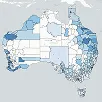

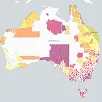


The total adult population (15 years or older) of North Hobart 7000 TAS is 2,365, with a median age of 35. Of those, 31.33% are married, 12.56% are divorced or separated, 53.49% are single and 2.37% are widowed.
The average household size is 2.1 people per dwelling, and the median household monthly income is estimated to be $8,868. The median monthly mortgage repayment for households in this suburb is $1,820 which is 20.52% of their earnings.
Source: ABS Census Data (2021)