
Summerhill, TAS 7250

Good to know:
Summerhill is a residential suburb located in Launceston, Tasmania. With the postcode 7250, this area is known for its family-friendly atmosphere and well-established community amenities. The suburb boasts a range of facilities including schools, parks, and shopping options such as the Prospect Marketplace. Summerhill is also well-connected to the central business district of Launceston, offering a balanced blend of suburban tranquillity and city accessibility. The landscape features a mix of modern and mid-20th century housing, with ample green spaces enhancing its appeal.
Read More
Summerhill TAS 7250 has a house-focused property market with a Typical Price of $683,875, a rolling-year Median Rent of $528 per week and a gross rental Yield of 4.01%. This Summerhill TAS 7250 property investment profile shows tight established supply (SoM 0.16%, Inventory 0.7 months), very low rental vacancy (0.45%) and a neutral socio‑economic score (IRSAD 949). House prices in Summerhill are supported by constrained listings and low upcoming approvals, but affordability is stretched at an estimated 37 years to own.
Property market outlook
The short-to-medium outlook for houses in Summerhill is broadly supportive. Supply-side indicators are the clearest signal: Stock on Market (0.16%), Inventory (0.7 months) and a low Building Approvals Ratio (0.24%) all point to tight supply in the established market — conditions that typically support price resilience and faster re-pricing when demand nudges higher. Rental-side fundamentals are strong: a 0.45% vacancy rate signals limited vacancy risk and bargaining power for landlords, while a 4.01% gross yield is healthy for Tasmania and above commonly cited minimum thresholds for investors.
Offsetting those positives, affordability sits at 37 years which is materially above the 30-year threshold and implies a constrained local buyer pool for owner-occupiers. IRSAD at 949 sits in the neutral band (920–950) — reasonable but not a clear premium demographic signal for outsized long-term capital growth. Days on Market of 42 and a Buy Search Index of 3 indicate steady, not frenzied, buyer interest.
Pros
- Tight supply profile: SoM 0.16% and Inventory 0.7 months are both in the “opportune” range, supporting price stability and upward pressure on house prices.
- Very low rental vacancy (0.45%): strong rental demand and low vacancy risk for landlords; helps maintain rental growth and minimise vacancy losses.
- Competitive yield (4.01%): above common minimum thresholds, offering reasonable income potential for investors buying houses.
- Low recent approvals (BA Ratio 0.24%): limited pipeline of new dwellings reduces future downward pressure on established stock supply.
- High data confidence: Confidence flagged as High, improving reliability of the snapshot for decision-making.
Cons
- Affordability stretched (37 years): long years-to-own reduces the owner-occupier buyer pool and can cap absolute price appreciation or slow capital growth.
- Neutral socio-economic signal (IRSAD 949): not in the opportune band (>950), so the suburb lacks a clear premium demographic uplift that often accompanies strong long-term capital gains.
- Neutral demand cadence: Days on Market 42 and Buy Search Index 3 point to steady rather than high-demand market dynamics — price appreciation may be more gradual than in hotter markets.
- Clearance Rate 0% (neutral): low auction activity removes a common market indicator and can make short-term price discovery less transparent.
Investment strategies
- Income-focused buy-and-hold: Given tight rental supply and a 4.01% yield, Summerhill houses suit investors prioritising cashflow and low vacancy risk. Expect stable rent collection and low downtime between tenancies.
- Conservative leverage and medium-term horizon: With affordability stretched, target a 5–10+ year hold period to capture both rental income and modest capital appreciation as supply/demand imbalances work through the market.
- Value-add renovations targeted to rental uplift: Low vacancy means renovated properties can command premium rents and reduce time on market; modest refurbishments that improve amenity and energy efficiency have strong payback in a tight rental market.
- Monitor affordability and approvals: Use lenders’ stress-test changes and building approvals trends as triggers for re-evaluating entry/exit timing. If approvals increase materially, supply risk will rise.
- Buy houses over units (for this suburb): UH ratio 13% (neutral but low) suggests the local market is house-dominant; houses benefit more directly from the low established stock and deliver the observed yield and vacancy advantages.
- Active portfolio management: Use shorter vacancy windows and frequent market checks (DoM, Vacancy, SoM) to time listings and rent reviews; tight supply rewards active asset management.
Is Summerhill TAS 7250 a good suburb to invest in?
For investors seeking rental income with low vacancy risk, Summerhill TAS 7250 is a good market to consider for houses. The data shows very tight supply and rental market support, reliable yields above 4% and high-confidence metrics — all positive for income-oriented strategies. For capital-growth hunters, the picture is mixed: supportive supply constraints help, but neutral IRSAD and stretched affordability (37 years) mean growth is more likely to be steady than explosive. In short: suitable for conservative to moderate investors targeting cashflow and steady appreciation over a medium-to-long horizon; less ideal for those needing rapid, high capital gains in a short timeframe.
About HtAG Analytics Data
HtAG reports a core set of suburb-level metrics to inform location selection; the base set includes Typical Price, Median Rent, Yield, Sales and Rentals counts, % Change over multiple horizons, Capital Growth projections, Total RoI, Rent Increase forecasts, Volatility Index, Confidence, Relative Composite Score™, IRSAD, Renter/Owner ratio, Unit/House ratios, Affordability (Years to Own), Growth Rate Cycle (GRC), Stock on Market (SoM) and SoM%, Inventory (months), Building Approvals & BA Ratio, Hold Period, Days on Market, Discounting, Vacancy Rate, Vacancies, DoRM, Buy & Rent Search Index and Auction Clearance Rates. There are additional advanced and contextual metrics (population, estimated dwellings, school rank, infrastructure approvals per capita, annual sales volume, distance to CBD, etc.) that HTAG reports across dashboards.
The guiding principle behind HTAG metrics is to capture both current market conditions and historical behaviour so suburbs can be compared relative to the point of purchase. HTAG’s approach focuses on measuring market nuances pertinent to buyers and investors at suburb level — not only broader public datasets used for macro narratives. In practice this means HTAG curates and measures similar-named metrics with methodological differences and additional curation so shortlists and comparisons align more closely with tactical investment decisions.
Finally, note the snapshot above summarises current metric levels but does not show trends, which materially influence decisions. Some metrics carry greater weight than others depending on investor goals and timeframe; market selection will therefore differ between buyers with different budgets, borrowing capacity, risk appetite and intended hold or refinance horizons. HTAG excels at producing ranked shortlists tailored to individual criteria rather than one-size-fits-all recommendations — for serious investors and buyer’s agents a relative analysis across a tailored set of suburbs is essential.
Updated: 1 May 2026
Read Less
Quick Area Stats

Dwellings

Population

EDI

Bushfire Risk Index

Flood Risk Index
Education & Infrastructure
Sign Up to Access

School Rank

Infra. Spend
Market Trends
Essential metrics effectively streamline the process of identifying markets that match your financial situation and investment objectives. Typical Price, Indicative Yield and Total ROI provide a swift means to shortlist areas that resonate with what you’re seeking and can afford. These metrics also serve as valuable general trend indicators, allowing you to visualise transaction volumes and dynamics of change.
1M
1Q
1Y
3Y
5Y
7Y
10Y
1M
1Q
1Y
3Y
5Y
7Y
10Y

1M
1Q
1Y
3Y
5Y
7Y
10Y
The Growth Rate Cycle (GRC) is a metric used to analyse the year-on-year change in property values, providing insights into the growth cycle of a particular area. It uses the “typical price” metric to gauge property values more accurately than median prices, and includes both actual and projected data for the current year.

Fundamental metrics play a vital role in providing a comprehensive analysis of the socio-economic environment within a specific suburb or region. Additionally, the Return on Investment (ROI) and Volatility Index are crucial metrics that aid in evaluating the prospective profitability and the level of risk or stability in the market.
Socio-economics
Sign Up to Access

IRSAD

Renter to Owner

Units to Houses
Projections
Sign Up to Access

Projected Annual ROI

Volatility Index
Quick Area Stats
Sign Up to Access

Annual Sales Volume

Annual Rentals Volume



Stock on Market

Building Approvals

Inventory

Hold Period




Supply metrics are crucial in gauging both the existing volumes of real estate listed for sale and the properties anticipated to enter the market soon. A diminished supply could signal opportunities for price appreciation, particularly when there’s corresponding buyer demand to buoy the market. The Stock on Market and Inventory level metrics (current values) are presented as a 3-month rolling average of monthly data shown in the charts. This means the last 3 months of data are averaged. The BA Ratio represents the proportion of building approvals over the latest 12 months relative to the total dwellings in the area.

Days on Market

Search Index

Vacancy Rate

Clearance Rate




Demand metrics underscore the level of interest that potential property buyers or tenants have in a specific suburb or locality. When demand outstrips the available supply, or if the supply fails to meet the intensity of buyer/renter interest, there’s a potential for prices to climb, underscoring the pivotal relationship between demand dynamics and property value trends. The Days on Market and Clearance Rate metrics (current values) are presented as a 3-month rolling average of monthly data shown in the charts. This means the last 3 months of data are averaged.
We invite you to contribute to the conversation by sharing your thoughts or raising questions about this market in the comment section below.
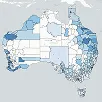

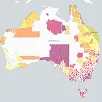


The total adult population (15 years or older) of Summerhill 7250 TAS is 2,558, with a median age of 38. Of those, 43.39% are married, 14.43% are divorced or separated, 36.43% are single and 5.98% are widowed.
The average household size is 2.4 people per dwelling, and the median household monthly income is estimated to be $7,128. The median monthly mortgage repayment for households in this suburb is $1,300 which is 18.24% of their earnings.
Source: ABS Census Data (2021)