
Lynbrook, VIC 3975

Good to know:
Lynbrook, VIC 3975, is a charming suburb in Melbourne's southeastern region, approximately 36 kilometres from the city centre. Known for its family-friendly atmosphere, Lynbrook offers a mix of modern residential housing and green open spaces. The suburb boasts several amenities, including the expansive Banjo Paterson Park, Lynbrook Village Shopping Centre, and Lynbrook Primary School. With convenient access to public transport, including Lynbrook train station, Lynbrook provides a balanced lifestyle with easy connectivity to Melbourne. The community is vibrant, with diverse residents contributing to a welcoming neighbourhood.
Read More
Lynbrook VIC 3975 property market: typical house price $979,868, median rent $583pw and a gross yield of 3.09% (data confidence: High). This snapshot of Lynbrook VIC 3975 house market data shows a suburb with above‑average socio‑economic score (IRSAD 993), neutral supply and demand indicators, and a stretched affordability picture (39 years to own). House prices in Lynbrook are supported by strong socio‑economic fundamentals and short days on market, but long affordability timelines and modest yields will be decisive for different investor strategies.
Property market outlook
Lynbrook VIC 3975 houses sit in a broadly balanced market. IRSAD 993 is opportune — socio‑economic conditions support longer‑term capital growth potential for house prices in Lynbrook. Supply metrics are neutral: Stock on Market 0.44% is only just above the low‑supply threshold, inventory at 3.56 months is within the balanced band, and the Building Approvals Ratio 0.58% signals modest new supply coming through. Demand signs are constructive: Days on Market at 35 days sits at the high‑demand boundary and vacancy at 2.08% is within the balanced range, implying effective rental absorption. Key warning: affordability at 39 years (above the 30‑year benchmark) reduces the pool of owner‑occupier buyers and can dampen transaction velocity and price elasticity if interest rates or incomes deteriorate. The current gross yield of 3.09% clears a minimal yield hurdle but remains modest for cash‑flow focussed investors.
Pros
- Strong socio‑economic backing: IRSAD 993 (opportune) supports long‑term capital growth prospects for houses.
- Tightish market dynamics: SoM 0.44% close to the low supply band and DoM 35 days indicates resilient buyer demand and limited time‑on‑market.
- Balanced rental market: vacancy 2.08% and median rent $583pw provide reasonable rental security and predictability.
- Low unit share: Units/Houses ratio 6% (opportune) — market is house‑dominated, which can reduce competition from strata product and support detached house pricing.
Cons
- Affordability pressure: 39 years to own is well above the 30‑year threshold and may constrain owner‑occupier demand and first‑home buyers.
- Modest yield: 3.09% is just above the typical minimum (3%) but may be unattractive for investors requiring stronger cash flow or higher debt service coverage.
- Neutral supply/demand layers: several indicators (inventory, BA ratio, hold period) are neutral — there are no clear supply shortages that would accelerate short‑term capital gains.
- Limited buy search intensity: Buy Search Index 3 (neutral) suggests search interest is average rather than high.
Investment strategies
- Long‑hold capital growth: Given the opportune IRSAD and house‑dominated stock, a buy‑and‑hold strategy targeted at capital appreciation is the primary play. Focus on established houses with appeal to owner‑occupiers (3+ bedrooms, family amenity) to benefit from socio‑economic tailwinds.
- Yield enhancement via active management: With yields modest, pursue value‑add upgrades that justify above‑market rents (kitchen/bathroom modernisation, secondary living zones) or target properties where rental re‑setting is possible to lift effective yield.
- Finance‑aware acquisitions: Because affordability is stretched, structure finance conservatively (lower LVR, interest‑rate buffers). Consider longer holding horizons and refinance planning to manage potential rate cycles.
- Selective opportunistic buys: Monitor SoM and DoM tightly — short windows of weak demand or transient oversupply (local developer exits) can create price concessions for cash buyers.
- Tenant profile and lease management: Vacancy near 2% is stable; target family tenants and prioritise retention strategies (long leases, maintenance responsiveness) to keep DoRM low.
Is Lynbrook VIC 3975 a good suburb to invest in?
For investors prioritising long‑term capital growth and prepared to hold through cycles, Lynbrook VIC 3975 is attractive: strong IRSAD, house‑dominant stock and reasonable rental fundamentals underpin resilience in house prices in Lynbrook. For investors who require strong immediate cash flow or short hold/refinance windows, the suburb is less compelling because yield is modest (3.09%) and affordability (39 years) tightens buyer liquidity. In short: good for patient, capital‑oriented investors and owner‑occupier investors; less suitable for pure yield or short‑term cash‑flow plays without active value‑add or leverage advantages.
About HtAG Analytics Data
Base metrics reported per dwelling type include: Typical Price, Median Rent (pw), Sales, Rentals, Δ Change (period % change), Yield (gross rental yield), Capital Growth (annualised CG with low/high bounds), Total RoI (Yield + CG), Rent Increase (projected p.a.), Volatility Index (MAPE‑based), Confidence (data accuracy), and the Relative Composite Score™. This is a subset — HTAG dashboards contain additional indicators (supply/demand ratios, demographic metrics, building approvals, IRSAD, vacancy, DoM, BA ratios, hold period, auction clearance and more).
Key reference ranges and interpretative bands used in HTAG reporting (examples from our data dictionary):
- IRSAD: unfavourable <920, neutral 920–950, opportune >950.
- Renter/Owner ratio: opportune <15%, neutral 15–45%, unfavourable >45%.
- Units/Houses ratio: opportune <10%, neutral 10–50%, unfavourable >50%.
- Years to Own (affordability): >30 years signals stretched affordability.
- Stock on Market%: low supply <0.4%, balanced 0.4–1.3%, high supply >1.3%.
- Inventory (months): low supply <2.1, balanced 2.1–4.5, high supply >4.5.
- Days on Market: high demand 0–35 days, balanced 35–90, low demand >90.
- Vacancy Rate (joint): high demand <1%, balanced 1–3.5%, low demand >3.5%.
HtAG’s guiding principle is to measure both current market conditions and historical trends at a fine geographic scale so comparisons reflect what matters nearest to the point of purchase. Unlike providers who primarily aggregate public feeds for broad commentary, HTAG’s metrics are curated and modelled to enable relative market analysis for transaction‑level decisioning — the metric names may look similar to other vendors, but our curation, spatial mapping and trend‑weighting are tailored to investment and buying decisions at suburb and dwelling type level.
Finally, note that the figures above are a current snapshot and do not replace trend analysis: metric trajectories, their relative importance and investor timeframes materially change market selection. Affordability, yield sensitivity, refinance horizons and risk appetite drive different suburb choices for different investors. HTAG specialises in shortlisting and ranking markets against bespoke investor criteria rather than providing one‑size‑fits‑all recommendations — for serious investors and buyer agents, relative analysis across a set of comparable suburbs aligned to budget and strategy is essential.
Updated: 1 May 2026
Read Less
Quick Area Stats

Dwellings

Population

EDI

Bushfire Risk Index

Flood Risk Index
Education & Infrastructure
Sign Up to Access

School Rank

Infra. Spend
Market Trends
Essential metrics effectively streamline the process of identifying markets that match your financial situation and investment objectives. Typical Price, Indicative Yield and Total ROI provide a swift means to shortlist areas that resonate with what you’re seeking and can afford. These metrics also serve as valuable general trend indicators, allowing you to visualise transaction volumes and dynamics of change.
1M
1Q
1Y
3Y
5Y
7Y
10Y
1M
1Q
1Y
3Y
5Y
7Y
10Y

1M
1Q
1Y
3Y
5Y
7Y
10Y
The Growth Rate Cycle (GRC) is a metric used to analyse the year-on-year change in property values, providing insights into the growth cycle of a particular area. It uses the “typical price” metric to gauge property values more accurately than median prices, and includes both actual and projected data for the current year.

Fundamental metrics play a vital role in providing a comprehensive analysis of the socio-economic environment within a specific suburb or region. Additionally, the Return on Investment (ROI) and Volatility Index are crucial metrics that aid in evaluating the prospective profitability and the level of risk or stability in the market.
Socio-economics
Sign Up to Access

IRSAD

Renter to Owner

Units to Houses
Projections
Sign Up to Access

Projected Annual ROI

Volatility Index
Quick Area Stats
Sign Up to Access

Annual Sales Volume

Annual Rentals Volume



Stock on Market

Building Approvals

Inventory

Hold Period




Supply metrics are crucial in gauging both the existing volumes of real estate listed for sale and the properties anticipated to enter the market soon. A diminished supply could signal opportunities for price appreciation, particularly when there’s corresponding buyer demand to buoy the market. The Stock on Market and Inventory level metrics (current values) are presented as a 3-month rolling average of monthly data shown in the charts. This means the last 3 months of data are averaged. The BA Ratio represents the proportion of building approvals over the latest 12 months relative to the total dwellings in the area.

Days on Market

Search Index

Vacancy Rate

Clearance Rate




Demand metrics underscore the level of interest that potential property buyers or tenants have in a specific suburb or locality. When demand outstrips the available supply, or if the supply fails to meet the intensity of buyer/renter interest, there’s a potential for prices to climb, underscoring the pivotal relationship between demand dynamics and property value trends. The Days on Market and Clearance Rate metrics (current values) are presented as a 3-month rolling average of monthly data shown in the charts. This means the last 3 months of data are averaged.
We invite you to contribute to the conversation by sharing your thoughts or raising questions about this market in the comment section below.
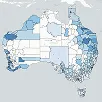

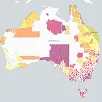


The total adult population (15 years or older) of Lynbrook 3975 VIC is 7,008, with a median age of 33. Of those, 56.26% are married, 7.88% are divorced or separated, 31.35% are single and 4.55% are widowed.
The average household size is 3.5 people per dwelling, and the median household monthly income is estimated to be $8,652. The median monthly mortgage repayment for households in this suburb is $1,962 which is 22.68% of their earnings.
Source: ABS Census Data (2021)