
Watsons Bay, NSW 2030

Good to know:
Watsons Bay, located in New South Wales with the postcode 2030, is a picturesque coastal suburb in Sydney's Eastern Suburbs. Known for its stunning harbour views, it offers a blend of natural beauty and historical charm. Iconic for its waterfront dining options, seafood restaurants, and the historic Watsons Bay Hotel, it's a popular spot for both locals and tourists. The suburb boasts scenic walks, including the South Head Heritage Trail, leading to the famous Hornby Lighthouse. Watsons Bay is also renowned for its pristine beaches, such as Camp Cove and Lady Bay Beach, making it a perfect destination for relaxation and leisure.
Read More
Watsons Bay NSW 2030 property market is dominated by very high capital values and low rental yield. Typical price for houses is $5,148,142, median rent is $2,250 per week and gross yield sits at 2.27% — below the commonly-cited 3% income benchmark. The suburb shows strong socio‑economic indicators (IRSAD 1132) and above‑average buyer search interest, but affordability is extreme (estimated 123 years to own), supply signals are mixed (SoM% low at 0.33% yet inventory 8.38 months is high), and the data confidence is low — so verify with on‑ground intel before committing to transactions.
Property market outlook
Watsons Bay NSW 2030 house prices are those of a prestige coastal enclave: high typical price and an opportune IRSAD (1132) support long‑term capital growth for well‑capitalised buyers. Buyer intent is strong (Buy Search Index 8 — favourable) which keeps competition high for listed stock; low Stock on Market (0.33% — opportune) reinforces a perception of scarcity. However, inventory measured in months (8.38) is in the high‑supply band, suggesting either slow turnover of very expensive homes or periodic pockets of supply from estates hitting the market. Rental market is balanced to neutral: median rent $2,250pw and vacancy 2.33% sit in the balanced range, but yield at 2.27% is materially below income‑oriented investor thresholds and reduces appeal for cashflow buyers. Days on market at 85 days is neutral, reflecting that transactions take time at this price point. Overall outlook: strong for prestige capital growth over a long horizon for low‑leverage or cash buyers; unfavourable for yield seekers and highly‑geared investors.
Pros
- High socio‑economic profile: IRSAD 1132 supports premium pricing and buyer resilience.
- Strong buyer interest: Buy Search Index 8 indicates above‑average demand relative to state norms.
- Low visible stock on market (SoM% 0.33%) signalling tightly held established housing and potential for off‑market opportunities.
- Established suburb with limited immediate construction pressure (Building Approvals Ratio 0.56% — neutral), reducing short‑term dilution risk.
- Balanced rental fundamentals: median rent $2,250pw and vacancy ~2.33% provide acceptable rental liquidity for tenants.
Cons
- Very low gross yield (2.27%) — below typical minimums for income investors; negatively impacts cashflow and servicing ability under higher rates.
- Extreme affordability constraint: years to own estimated at 123 years — this limits the buyer pool to high‑net‑worth individuals and constrains liquidity.
- Inventory of 8.38 months signals elevated supply or slow sales turnaround at this price tier, increasing time‑to‑exit risk.
- Data confidence rated Low — metrics should be corroborated with local sales records, agents and on‑ground checks.
- Clearance Rate reported at 0.0% (neutral) and auction activity is likely minimal — limited auction activity can make comparative liquidity assessment harder.
- High typical price means borrowing requirements are significant; interest rate sensitivity and refinancing risk are material for leveraged buyers.
Investment strategies
- Capital‑growth, low‑turnover play: Target long hold periods (7–15+ years) where capital appreciation and prestige location premiums are the primary return drivers. This suits high‑net‑worth individuals, family offices, trusts or owner‑occupiers.
- Off‑market acquisition via buyer agent: Low SoM% and tightly‑held stock make off‑market sourcing, direct owner approaches and relationships with local agents crucial to secure deals below open‑market competition.
- Consider units or smaller nearby properties for yield: If cashflow is required, look to units in adjacent suburbs or smaller dwellings where yields and entry prices are more favourable; Watsons Bay houses are unlikely to meet income targets.
- Renovation/refurbishment to extract value: For investors able to buy at sensible margins, sympathetic upgrades that preserve local character can improve marketability and net rental return, but planning and heritage controls must be reviewed.
- Use conservative gearing and stress‑test interest rate scenarios: With low rental yield and very high purchase prices, maintain low loan‑to‑value ratios or interest‑offset buffers to reduce refinancing stress.
- Shortlist comparative markets: Use HTAG relative analysis to compare Watsons Bay against neighbouring eastern suburbs (e.g. Vaucluse, Dover Heights, Rose Bay) to find pockets where growth upside and yield align with your strategy.
- Validate with local market checks: Given Low confidence in the dataset, obtain confirmed sale prices, recent on‑market listings, and agent feedback before making offers.
Is Watsons Bay NSW 2030 a good suburb to invest in?
It depends on the investor mandate. For investor profiles prioritising capital preservation and long‑term prestige growth — and who can operate with low leverage or cash — Watsons Bay NSW 2030 is an appropriate allocation within a diversified exposure to premium Sydney coastal suburbs. For yield‑oriented, highly‑leveraged or short‑term investors, Watsons Bay houses are generally unsuitable: yields are sub‑3% and affordability constraints shrink the buyer universe, lengthening exit times. Given the Low confidence flag in the data and mixed supply signals (very low SoM% vs high inventory months), any decision should be preceded by bespoke due diligence and comparative market analysis tailored to your risk, finance and holding‑period parameters.
About HtAG Analytics Data
Base metrics reported by HTAG include Typical Price, Median Rent, Sales, Rentals, % Change (short and long horizons), Gross Yield, Capital Growth (annualised estimate with low/high bounds), Total RoI (Yield + Capital Growth), Rent Increase (projected pa), Volatility Index (forecast error using MAPE), Confidence (data accuracy proxy), and Relative Composite Score™. Supply and demand thresholds used in our models include example ranges such as SoM%: low supply <0.4% / balanced 0.4–1.3% / high supply >1.3%; Inventory (months): low <2.1 / balanced 2.1–4.5 / high >4.5; Vacancy: high demand <1% / balanced 1–3.5% / low demand >3.5%; IRSAD: opportune >950 / neutral 920–950 / unfavourable <920. There are more metrics available on suburb dashboards; the above is the base set typically used for initial comparisons.
HTAG’s methodology is designed to capture both the current state and historical trend dynamics at the suburb (near‑point‑of‑purchase) level, enabling more actionable relative market comparisons than broad media‑oriented datasets. Unlike providers that focus primarily on public national aggregates for trend coverage, HTAG constructs metrics and curation approaches specifically to aid transaction‑level market selection and shortlisting. As such, similarly‑named metrics from different vendors can differ in measurement detail and application.
Finally, the snapshot above describes current value metrics for Watsons Bay NSW 2030 but does not substitute for trend analysis — trends, metric weightings and an investor’s unique constraints (budget, borrowing capacity, risk appetite, hold period) will materially change which suburbs are suitable. HTAG specialises in shortlisting suburbs to match individual criteria rather than offering one‑size‑fits‑all recommendations; for serious investors and buyer agents, run a tailored relative analysis across candidate suburbs that align with your objectives before executing.
Updated: 1 Jun 2026
Read Less
Quick Area Stats

Dwellings

Population

EDI

Bushfire Risk Index

Flood Risk Index
Education & Infrastructure
Sign Up to Access

School Rank

Infra. Spend
Market Trends
Essential metrics effectively streamline the process of identifying markets that match your financial situation and investment objectives. Typical Price, Indicative Yield and Total ROI provide a swift means to shortlist areas that resonate with what you’re seeking and can afford. These metrics also serve as valuable general trend indicators, allowing you to visualise transaction volumes and dynamics of change.
1M
1Q
1Y
3Y
5Y
7Y
10Y
1M
1Q
1Y
3Y
5Y
7Y
10Y

1M
1Q
1Y
3Y
5Y
7Y
10Y
The Growth Rate Cycle (GRC) is a metric used to analyse the year-on-year change in property values, providing insights into the growth cycle of a particular area. It uses the “typical price” metric to gauge property values more accurately than median prices, and includes both actual and projected data for the current year.

Fundamental metrics play a vital role in providing a comprehensive analysis of the socio-economic environment within a specific suburb or region. Additionally, the Return on Investment (ROI) and Volatility Index are crucial metrics that aid in evaluating the prospective profitability and the level of risk or stability in the market.
Socio-economics
Sign Up to Access

IRSAD

Renter to Owner

Units to Houses
Projections
Sign Up to Access

Projected Annual ROI

Volatility Index
Quick Area Stats
Sign Up to Access

Annual Sales Volume

Annual Rentals Volume



Stock on Market

Building Approvals

Inventory

Hold Period




Supply metrics are crucial in gauging both the existing volumes of real estate listed for sale and the properties anticipated to enter the market soon. A diminished supply could signal opportunities for price appreciation, particularly when there’s corresponding buyer demand to buoy the market. The Stock on Market and Inventory level metrics (current values) are presented as a 3-month rolling average of monthly data shown in the charts. This means the last 3 months of data are averaged. The BA Ratio represents the proportion of building approvals over the latest 12 months relative to the total dwellings in the area.

Days on Market

Search Index

Vacancy Rate

Clearance Rate




Demand metrics underscore the level of interest that potential property buyers or tenants have in a specific suburb or locality. When demand outstrips the available supply, or if the supply fails to meet the intensity of buyer/renter interest, there’s a potential for prices to climb, underscoring the pivotal relationship between demand dynamics and property value trends. The Days on Market and Clearance Rate metrics (current values) are presented as a 3-month rolling average of monthly data shown in the charts. This means the last 3 months of data are averaged.
We invite you to contribute to the conversation by sharing your thoughts or raising questions about this market in the comment section below.
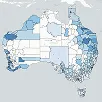

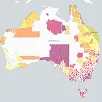


The total adult population (15 years or older) of Watsons Bay 2030 NSW is 752, with a median age of 40. Of those, 47.21% are married, 8.11% are divorced or separated, 42.02% are single and 3.72% are widowed.
The average household size is 2.4 people per dwelling, and the median household monthly income is estimated to be $16,332. The median monthly mortgage repayment for households in this suburb is $3,384 which is 20.72% of their earnings.
Source: ABS Census Data (2021)