
Barrack Heights, NSW 2528

Good to know:
Barrack Heights, located in New South Wales with the postcode 2528, is a coastal suburb in the Illawarra region, approximately 100 km south of Sydney. It's known for its proximity to picturesque beaches, such as Warilla Beach, and the serene Little Lake. The suburb is primarily residential with a mix of older homes and modern developments. Local amenities include Stockland Shellharbour Shopping Centre, schools, parks, and community facilities. The area offers a relaxed lifestyle with access to natural beauty and essential services, making it popular with families and retirees.
Read More
Barrack Heights NSW 2528 houses: the property market shows a typical house price of $1,023,578, a median rent of $736 per week and a gross yield of 3.74%. HTAG property market data points to very tight supply and a strong rental market (low vacancy), but socio‑economic and affordability indicators are weak — affordability sits at 61 years and IRSAD is 910. Confidence in the underlying data is high, so these signals are actionable for targeted investor strategies.
Property market outlook
Supply and demand dynamics are the dominant theme. Stock on market (SoM 0.13%), inventory (0.74 months) and a modest building approvals ratio (0.27%) all indicate constrained for‑sale supply for houses — a structural bias that supports price resilience and restricts vendor negotiation leverage. Vacancy at 0.8% is below 1% and signals a tight lettings market, which reduces re‑letting risk and supports rental growth prospects. Days on market at 42 days and a Buy Search Index of 4 are neutral, so buyer interest is steady but not overheated.
Countervailing risks: IRSAD 910 is below the neutral threshold and flags a lower socio‑economic profile versus higher‑scoring suburbs, which can dampen long‑term capital growth potential relative to higher SES areas. Affordability is extreme (61 years) — well above the 30‑year benchmark — which constrains the pool of owner‑occupier buyers and can weaken natural demand during downcycles. Yield at 3.74% is above the 3% minimum guideline but remains modest for investors prioritising cashflow.
Pros
- Tight supply: SoM 0.13% and inventory 0.74 months indicate limited stock and a supply environment supportive of price stability and upside.
- Strong rental market: vacancy 0.8% is in opportune territory, lowering vacancy risk and supporting rental growth potential.
- Yield is above minimum: 3.74% gross yield is acceptable for many investors, especially combined with low vacancy.
- Low near‑term construction pressure: BA Ratio 0.27% suggests limited imminent new housing supply adding to the tight market.
- High data confidence: Confidence flagged as High increases reliability of these signals for decision making.
Cons
- Low IRSAD (910): below HTAG’s neutral threshold, suggesting weaker socio‑economic fundamentals that can cap long‑term capital appreciation versus higher‑SES suburbs.
- Very poor affordability (61 years): significantly reduces the buyer pool and may increase sensitivity to interest‑rate rises and credit‑tightening.
- Neutral sales dynamics: DOM 42 days and Clearance Rate 0% are steady but do not show overheating; liquidity may be average.
- Modest yield: while above 3%, a 3.74% gross yield is not strong for investors needing positive cashflow after costs, servicing and vacancies.
- Hold period neutral: 10.37 years indicates typical turnover that is not deterrent but not indicative of ultra‑tight holding behaviour.
Investment strategies
- Capital‑growth tilt with tenancy security: Target quality houses that appeal to long‑term tenants (3+ years) — low vacancy supports this. Expect lower immediate cashflow but reduced vacancy exposure.
- Value enhancement: Look for upside via renovation, subdivision potential (where council allows) or adding parking/low‑maintenance landscaping to extract rental and sale premium in a thin market.
- Selective yield improvement: If cashflow matters, hunt for houses priced below the typical price (sub‑market buys) or properties with dual income potential (granny flat/addition) to push gross yield above suburb average.
- Time the entry: Limited supply reduces bargaining room; be prepared for quicker decisions on desirable stock. Use pre‑inspection due diligence (building, pest, title) to shorten timeframes.
- Portfolio diversity: Pair Barrack Heights houses with higher‑yield or higher‑SES suburbs to balance income and capital prospects given Barrack Heights’ mixed signals (tight supply vs lower IRSAD).
- Rental strategy: Fix rents near market with modest annual increases; low vacancy supports above‑average lease retention strategies (target 6–12 month renewals with CPI‑linked increases).
- Monitor affordability and local economics: Given the high years‑to‑own, track local employment, infrastructure and credit conditions — these will disproportionately affect liquidity and price sensitivity.
Is Barrack Heights NSW 2528 a good suburb to invest in?
Barrack Heights NSW 2528 can be a suitable target for investors who prioritise low vacancy risk and supply‑constrained markets — particularly those seeking capital stability and modest rental returns over time. It is less attractive for investors whose primary objective is strong immediate cashflow or exposure to high‑SES driven capital uplift, because IRSAD is below neutral and affordability is extremely stretched (61 years). Overall suitability depends on your strategy: long‑term holders and buy‑and‑hold portfolios that can tolerate modest yields and value tenant stability will find the market supportive; short‑term flippers or yield‑focused buyers should compare alternatives.
About HtAG Analytics Data
HTAG base metrics used here include Typical Price, Median Rent, Yield (Gross Rental Yield), Sales, Rentals, Δ Change (periodic change), Capital Growth (CG + low/high bands), Total RoI, Rent Increase, Volatility Index, Confidence, Relative Composite Score™, IRSAD, Renter/Owner ratio, Unit/House ratios (UH, UHV), Years to Own (Affordability), Growth Rate Cycle (GRC), Stock on Market (SoM & SoM%), Inventory (Months of Supply), Building Approvals & BA Ratio, Hold Period, Days on Market, Discounting, Vacancy Rate, Vacancies, DoRM, Buy & Rent Search Index, Auction Clearance Rates, Population, Estimated Dwellings, School Rank and Non‑residential Approvals per Capita. There are additional specialised metrics available on HTAG dashboards; the list above is the core set reported per dwelling type.
HTAG metrics are designed to capture both current conditions and historical trends to support relative market comparison at the suburb and dwelling level — the aim is to deliver measures that are directly relevant to a point‑of‑purchase perspective. While other providers aggregate public data to illustrate broad trends and media narratives, HTAG’s methodology emphasises localised curation and measurement choices to make suburb‑level comparisons more precise for buyers, investors and buyers‑agents. Although some metric names overlap with other services, our data curation, model choices and back‑testing differ to better align with granular market selection.
Finally, the snapshot above reflects current value metrics for Barrack Heights houses but does not show metric trends, which can materially change an investment view. Some metrics carry more weight than others depending on strategy and time horizon; importantly, different investors will select different suburbs based on budget, borrowing capacity, risk appetite and intended hold/refinance horizons. HTAG specialises in shortlisting and ranking markets against individual criteria rather than applying a one‑size‑fits‑all filter — for serious investment decisions perform relative analysis across a set of comparable locations aligned to your objectives.
Updated: 1 Jun 2026
Read Less
Quick Area Stats

Dwellings

Population

EDI

Bushfire Risk Index

Flood Risk Index
Education & Infrastructure
Sign Up to Access

School Rank

Infra. Spend
Market Trends
Essential metrics effectively streamline the process of identifying markets that match your financial situation and investment objectives. Typical Price, Indicative Yield and Total ROI provide a swift means to shortlist areas that resonate with what you’re seeking and can afford. These metrics also serve as valuable general trend indicators, allowing you to visualise transaction volumes and dynamics of change.
1M
1Q
1Y
3Y
5Y
7Y
10Y
1M
1Q
1Y
3Y
5Y
7Y
10Y

1M
1Q
1Y
3Y
5Y
7Y
10Y
The Growth Rate Cycle (GRC) is a metric used to analyse the year-on-year change in property values, providing insights into the growth cycle of a particular area. It uses the “typical price” metric to gauge property values more accurately than median prices, and includes both actual and projected data for the current year.

Fundamental metrics play a vital role in providing a comprehensive analysis of the socio-economic environment within a specific suburb or region. Additionally, the Return on Investment (ROI) and Volatility Index are crucial metrics that aid in evaluating the prospective profitability and the level of risk or stability in the market.
Socio-economics
Sign Up to Access

IRSAD

Renter to Owner

Units to Houses
Projections
Sign Up to Access

Projected Annual ROI

Volatility Index
Quick Area Stats
Sign Up to Access

Annual Sales Volume

Annual Rentals Volume



Stock on Market

Building Approvals

Inventory

Hold Period




Supply metrics are crucial in gauging both the existing volumes of real estate listed for sale and the properties anticipated to enter the market soon. A diminished supply could signal opportunities for price appreciation, particularly when there’s corresponding buyer demand to buoy the market. The Stock on Market and Inventory level metrics (current values) are presented as a 3-month rolling average of monthly data shown in the charts. This means the last 3 months of data are averaged. The BA Ratio represents the proportion of building approvals over the latest 12 months relative to the total dwellings in the area.

Days on Market

Search Index

Vacancy Rate

Clearance Rate




Demand metrics underscore the level of interest that potential property buyers or tenants have in a specific suburb or locality. When demand outstrips the available supply, or if the supply fails to meet the intensity of buyer/renter interest, there’s a potential for prices to climb, underscoring the pivotal relationship between demand dynamics and property value trends. The Days on Market and Clearance Rate metrics (current values) are presented as a 3-month rolling average of monthly data shown in the charts. This means the last 3 months of data are averaged.
We invite you to contribute to the conversation by sharing your thoughts or raising questions about this market in the comment section below.
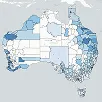

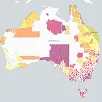


The total adult population (15 years or older) of Barrack Heights 2528 NSW is 4,907, with a median age of 41. Of those, 41.43% are married, 14.00% are divorced or separated, 38.09% are single and 6.52% are widowed.
The average household size is 2.5 people per dwelling, and the median household monthly income is estimated to be $6,376. The median monthly mortgage repayment for households in this suburb is $1,863 which is 29.22% of their earnings.
Source: ABS Census Data (2021)