
Scarborough, NSW 2515
Wollongong City Council, New South Wales
Good to Know
Scarborough, NSW 2515 is a high-value house market in the Wollongong City Council area, currently positioned as a long-hold capital growth submarket. Located on the NSW coast within Wollongong City Council, Scarborough is home to roughly 325 adults across 143 dwellings and is currently reporting a vacancy rate of 7.41%.
According to HtAG Analytics, Scarborough is exhibiting pronounced supply-side pressure and weak rental demand. Stock on Market sits at 0.93% and Inventory at 5.12 months — well above the ~3-month balanced-market threshold — driving +6.1% YoY price growth and 0.0% YoY rent growth.
What the market data is signalling
Scarborough's market shows a disconnect between capital values and cashflow. House prices are relatively strong, with a typical price of $2,161,882 and +6.1% 1-year price growth, while rental performance is flat (0.0%) and gross yield is just 1.89%. High vacancy (7.41%) and long listing times (133 days on market) point to weak rental demand and excess supply — a combination that can cap near-term rent upside and increase downside risk if price momentum fades. See the Markets in the Moment (MiM™) heatmap for how these signals compare across markets.
Who lives in Scarborough — and why it matters for investors
Scarborough sits at an IRSAD decile of 10, indicating a very affluent resident profile. Affluence tends to support capital values and can reduce price volatility over long cycles, but it does not guarantee rental strength: the suburb's renter/owner ratio of 19% is in the neutral band, which helps explain why rental demand is currently muted despite high incomes. Read the IRSAD Crossover study to understand how socio-economic context influences growth patterns.
Why suburb-level data matters for Scarborough
Council-level averages hide pockets like Scarborough. Suburb-level metrics — not broad LGA figures — should drive buy/sell decisions because they reflect the local balance of buyers, renters and new supply. Scarborough's typical house price ($2,161,882), low indicative gross yield (1.89%), Stock on Market (0.93%), Inventory (5.12 months) and days on market (133) together tell a picture of capital-rich buyers but weak near-term rental demand. For more on why this level matters, see our LGA vs Suburb research.
For a downloadable breakdown, view the full Scarborough data guide.
What's behind the RCS™ score of 25
The HtAG RCS™ (Rating Composite Score) condenses three independent dimensions — risk minimisation, capital-growth potential and cashflow resilience — into a single 0–100 score. Scarborough's overall RCS of 25 reflects strong capital-value signals but weak cashflow and elevated short-term supply risk; reading the component sub-scores is essential to match the market to your strategy. Learn how the RCS™ is built.
open Scarborough in HtAG Copilot to explore the sub-score breakdown and scenario testing.
Forward signals to watch
vacancy rate — currently 7.41%: sustained high vacancy over 12–24 months typically keeps downward pressure on rents and gives tenants greater choice, reducing landlord pricing power.
building approvals ratio — currently 0.00%: very low approvals suggest little immediate new-build pressure, which can be opportune if demand recovers, but it does not fix existing oversupply or weak rental take-up.
Sydney cycle phase: a city-wide shift toward a slower phase would likely reduce local price momentum and extend the period of weak rent growth; conversely, an upturn in the wider cycle would support capital values and help absorb current excess stock.
Does this area meet your investment goals?
Get full accessCritical to know
RCS Breakdown
Scarborough's RCS™ headline is an overall signal — but it doesn't tell you why. The three sub-scores below reveal whether that score is earned through risk minimisation, capital growth, or cashflow — and which portfolio brief it fits.
starter
Investor
Pro
Critical to know
Market Trends
Scarborough's headline values — $2,193K to buy and $1,179PW to rent, a 2.79% gross yield. Over the past decade, prices have moved 83.82% and rents 97.82% — the Yield series shows whether that gap is widening (price outpacing rent, yield compressing) or closing.
$2,193K is today. The 10-year trajectory reveals whether that's the top of a run, the start of a new leg, or somewhere mid-cycle. Sign up to unlock the entire trend line.
$1,179PW today, with rent growth at (+3.51% YoY) compared to price growth (+7.35%). That spread determines yield is expanding or compressing across the next cycle. Sign up to unlock the entire trend line.
Where is Scarborough in its cycle - and is the 2.79% yield holding?
Cycle phase tells you whether you're buying near the bottom (room to run) or top (compression ahead). Yield trajectory tells you whether cashflow is durable or being eroded — the single most important question for a long-hold thesis.
Cycle Phase
Cycle Position
Yield Trajectory
Rent vs Price Spread
Investor
Pro
Area Risks
Property data alone won't flag the structural risks that can erode a long-hold position. Bushfire overlays, flood-zone exposure, and economic concentration sit outside the price feed but determine whether your capital is insurable, defensible, and structurally protected. Unlock to see.
Are there hidden structural risks shaping Scarborough's long-hold story?
Beyond the headline price, Scarborough carries risk signals a median can't show — hazard exposure from bushfire and flood overlays, and how narrowly local employment leans on a handful of sectors (the concentration the EDI score quantifies). Together these separate insurable, defensible long-holds from those carrying tail-risk that never surfaces in the headline number.
MADI Risk
EDI Risk
Bushfire
Flood
Investor
Pro
Critical to know
Supply & Demand
Scarborough's headline numbers show where the market is today. The two cards below answer where it's heading. Direction is what separates a buy from a wait.
Is housing supply tightening or building up?
Stock on Market is one number — the trend is what matters. SoM, inventory, building approvals and hold period together reveal whether the market is starving for stock (price pressure up) or quietly building a pipeline (pressure down).
Stock on Market
Inventory
Building Approvals
Hold Period
Is buyer and renter demand heating up or cooling off?
Vacancy is one signal — the real question is whether demand is still building or quietly peaking. Days on market, vacancy, search index and clearance rate are the four pulse-points — when they diverge, they signal a turning point.
Days on Market
Vacancy Rate
Search Index
Clearance Rate
Investor
Pro
Critical to know
Fundamentals
Scarborough can look solid on the surface — but the three layers below separate markets that genuinely hold value from ones that only look like they do.
Is Scarborough genuinely stable - or just expensive?
IRSAD hints at affluence, but socio-economic strength alone doesn't guarantee resilience. Combined with the renter-to-owner balance and unit-to-house ratio, you get the three signals that separate a tightly-held submarket from one carrying hidden volatility.
IRSAD
Renter to Owner
Units to Houses
Where do Scarborough prices go over the next 12 months?
Today's headline price is just a snapshot. Projected ROI and the volatility index tell you whether to commit capital now, wait for a softer entry, or rotate into a steadie submarket.
Projected Annual ROI
Volatility Index
Can you actually buy into Scarborough - and exit cleanly?
Tightly-held areas reward long-hold investors but punish anyone who needs liquidity. Annual sales and rental volume reveal whether your capital can reposition — or sits structurally locked in.
Annual Sales Volume
Annual Rental Volume
Investor
Pro
Important to know
Education & Infrastructure
Scarborough looks tightly-held and stable on the surface — but the three layers below separate areas that genuinely hold value from ones that only look like they do.
Does Scarborough's school catchment + infrastructure pipeline justify the price?
School ranks anchor family demand and tenant quality. The active infrastructure pipeline shifts a suburb's price ceiling over the next 5–10 years. Together they tell you whether Scarborough has structural support for the next leg of capital growth.
School Rank
Hospitals & Employment
Infrastructure Spend
Transport Projects
Investor
Pro
Full HtAG Intelligence
Scarborough shows potential. The platform tells you whether it's the best fit for your portfolio.
Price and yield are only the surface. HtAG reads the forces underneath — supply tightening or loosening, demand heating or cooling, and the risks that move slowly but decide long-term growth. Together they show whether Scarborough has the structural support for its next leg — or whether the numbers are running ahead of the fundamentals.
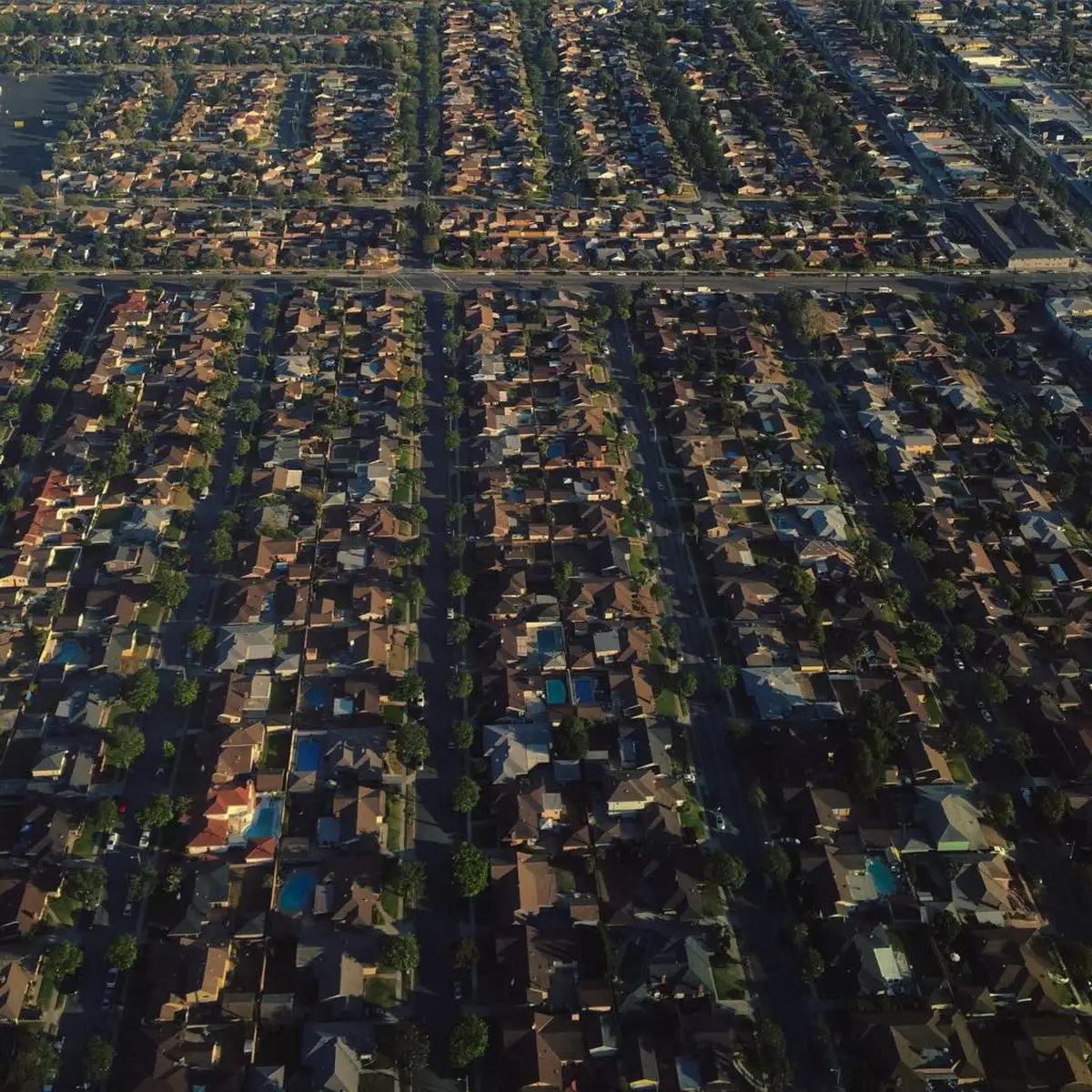
The total adult population (15 years or older) of Scarborough 2515 NSW is 249, with a median age of 41. Of those, 59.04% are married, 5.22% are divorced or separated, 35.74% are single and 1.20% are widowed.
The average household size is 3.1 people per dwelling, and the median household monthly income is estimated to be $10,112. The median monthly mortgage repayment for households in this suburb is $2,500 which is 24.72% of their earnings.
Source: ABS Census Data (2021)