
City Beach, WA 6015

Good to know:
City Beach is an affluent coastal suburb located in Perth, Western Australia, within the Town of Cambridge. Renowned for its pristine stretches of white sandy beaches and clear waters, it offers a picturesque setting ideal for swimming, surfing, and beachside activities. The suburb features several parks and green spaces, including the iconic City Beach Reserve. Proximity to top-tier schools, cafes, restaurants, and recreational facilities, such as the Bold Park Aquatic Centre, enhances its appeal. City Beach is characterised by luxurious homes and a tranquil, community-oriented atmosphere.
Read More
City Beach WA 6015 houses: the property market shows very high price points (Typical Price $3,608,315) with median rent at $1,400 per week and a gross yield of 2.02%. City Beach WA 6015 property investment is therefore skewed firmly towards capital‑growth, prestige ownership and long-term holding rather than rental income. House prices in City Beach are supported by a high socio‑economic score (IRSAD 1150) and very low stock on market (0.33%), but the suburb also displays stretched affordability (77 years) and slow transaction velocity (DOM 101 days, Inventory 5.54 months), which matter for timing and liquidity.
Property market outlook
City Beach houses sit at the upper end of the market: tight absolute listings (SoM% 0.33% — supportive of prices) sit alongside elevated months‑of‑supply (Inventory 5.54 months) and lengthy days on market (101 days). That apparent contradiction reflects a low turnover market: there are few properties listed, but sales activity is also low, producing a slow-moving market. IRSAD 1150 and a very low units/houses ratio (3%) underline a predominantly owner‑occupied, low‑density, affluent coastal market — characteristics that typically favour capital preservation and premium re‑pricing for quality stock. Rental fundamentals are weak for income investors: 2.02% gross yield is well below the commonly cited 3% threshold, while affordability at 77 years indicates buyer demand is highly sensitive to interest rates and income, which can constrain future buyer pools. Vacancy (2.76%) and the Buy Search Index (6) are broadly neutral — there is buyer interest online, but it’s not translating into rapid sales. Overall, the City Beach house market favours selective, patient capital‑growth strategies rather than short‑term cash‑flow plays.
Pros
- High socio‑economic profile (IRSAD 1150) supporting long‑term capital preservation and premium pricing.
- Extremely low stock on market (0.33%) — when turnover occurs, supply is constrained.
- Low renter proportion (Renter/Owner 11%) and very low unit density (UH ratio 3%) — owner‑occupied, tightly held housing stock.
- Data confidence: High — reliable monthly sales activity underpinning the metrics.
- Buy Search Index at 6 indicates above‑average online buyer interest relative to state benchmarks.
Cons
- Very low gross yield (2.02%) — poor cash yield for buy‑to‑let; below typical investor minimums.
- Extremely stretched affordability (77 years) reduces the pool of mortgage buyers and increases sensitivity to rate rises.
- Inventory 5.54 months and Days on Market 101 indicate slow transaction velocity and lower liquidity.
- Rental demand is only neutral (Vacancy 2.76%) and R/O profile suggests limited rental market depth.
- Clearance Rate reported 0.0% (neutral) — auction activity negligible, which can limit transparent price discovery.
Investment strategies
- Capital‑growth / prestige buy: Target high‑quality, beachfront or elevated homes with strong amenity. Expect long hold periods; value relies on location, land/lifestyle premium and scarcity.
- Off‑market and negotiation focus: Use low public stock and long DOM to source off‑market opportunities or negotiate on price/terms; vendors who list in sluggish periods may be more flexible.
- Value‑add where feasible: Cosmetic or amenity upgrades that enhance lifestyle appeal (kitchens, landscaping, outdoor living) can materially lift sale price in an affluent market.
- Avoid yield reliance: Houses at this typical price point deliver sub‑optimal rental yields; if rental cash flow is a key objective, seek alternative suburbs or consider smaller dwelling types elsewhere.
- Consider owner‑occupier or hybrid strategies: Purchasing with owner‑occupation or partial occupation reduces cash‑flow strain and aligns with the owner‑dominant local market.
- Liquidity and exit planning: Build buffer for longer exit times and plan for interest‑rate volatility given affordability pressures — structure finance and holding periods accordingly.
- Use comparative shortlists: Evaluate City Beach against adjacent coastal suburbs to find better risk/return trade‑offs (e.g. marginally lower prices with stronger yields).
Is City Beach WA 6015 a good suburb to invest in?
It depends on the strategy. For investors focused on long‑term capital appreciation, prestige coastal exposure and wealth preservation, City Beach WA 6015 houses remain an attractive option: high IRSAD, scarcity of quality stock and lifestyle appeal support premium pricing. For yield‑seeking investors or those requiring shorter holding periods or quick liquidity, City Beach is unfavourable — yields are low (2.02%), affordability is extreme (77 years) and sales velocity is slow (DOM 101 days, Inventory 5.54 months). In short: good for patient, well‑capitalised buyers targeting capital growth; not suitable for cash‑flow dependent portfolios or investors who cannot tolerate longer hold windows.
About HtAG Analytics Data
HtAG’s base metrics reported at suburb level include: Typical Price, Median Rent, Sales, Rentals, Δ Change (periodic price/rent change), Gross Rental Yield, Capital Growth (annual estimate with low/high bounds), Total RoI (Yield + Capital Growth), Rent Increase (projected pa), Volatility Index (forecast error / MAPE), Confidence (data accuracy proxy), and Relative Composite Score™. There are additional supply, demand and socio‑economic metrics in our dashboards (SoM%, Inventory, Building Approvals Ratio, Hold Period, Days on Market, Discounting, Vacancy Rate, RO Ratio, UH Ratio, IRSAD, Years to Own and more) — the list above represents the core set most used for initial comparisons.
The guiding principle behind HtAG metrics is capturing both current market conditions and historical trends to enable relative market analysis at or near the point of purchase. Applied to City Beach, that means our metrics are calibrated to reveal scarcity (low SoM%), buyer composition (low renter share, low unit density), and transaction rhythm (DOM and Inventory) so investors compare this coastal market to alternatives with similar purchase‑level characteristics. Unlike providers oriented to public narrative and broad trend reporting, HtAG’s methodology emphasises granular comparison and measurement biases that matter to buyers and buyers’ agents at the suburb and dwelling‑type level.
Finally, the snapshot above describes current value metrics for City Beach houses but does not incorporate directional trends or the varying weight different metrics should have for specific strategies. Some metrics (e.g. yield vs affordability vs IRSAD) carry more importance depending on investor objectives. Market selection will therefore differ by budget, borrowing capacity, risk appetite and intended hold/exit timetable. HtAG excels at shortlisting suburbs based on bespoke criteria rather than one‑size‑fits‑all rankings — for serious investors and buyers’ agents, we recommend a relative analysis across a tailored shortlist that aligns with your financial and timing constraints.
Updated: 1 May 2026
Read Less
Quick Area Stats

Dwellings

Population

EDI

Bushfire Risk Index

Flood Risk Index
Education & Infrastructure
Sign Up to Access

School Rank

Infra. Spend
Market Trends
Essential metrics effectively streamline the process of identifying markets that match your financial situation and investment objectives. Typical Price, Indicative Yield and Total ROI provide a swift means to shortlist areas that resonate with what you’re seeking and can afford. These metrics also serve as valuable general trend indicators, allowing you to visualise transaction volumes and dynamics of change.
1M
1Q
1Y
3Y
5Y
7Y
10Y
1M
1Q
1Y
3Y
5Y
7Y
10Y

1M
1Q
1Y
3Y
5Y
7Y
10Y
The Growth Rate Cycle (GRC) is a metric used to analyse the year-on-year change in property values, providing insights into the growth cycle of a particular area. It uses the “typical price” metric to gauge property values more accurately than median prices, and includes both actual and projected data for the current year.

Fundamental metrics play a vital role in providing a comprehensive analysis of the socio-economic environment within a specific suburb or region. Additionally, the Return on Investment (ROI) and Volatility Index are crucial metrics that aid in evaluating the prospective profitability and the level of risk or stability in the market.
Socio-economics
Sign Up to Access

IRSAD

Renter to Owner

Units to Houses
Projections
Sign Up to Access

Projected Annual ROI

Volatility Index
Quick Area Stats
Sign Up to Access

Annual Sales Volume

Annual Rentals Volume



Stock on Market

Building Approvals

Inventory

Hold Period




Supply metrics are crucial in gauging both the existing volumes of real estate listed for sale and the properties anticipated to enter the market soon. A diminished supply could signal opportunities for price appreciation, particularly when there’s corresponding buyer demand to buoy the market. The Stock on Market and Inventory level metrics (current values) are presented as a 3-month rolling average of monthly data shown in the charts. This means the last 3 months of data are averaged. The BA Ratio represents the proportion of building approvals over the latest 12 months relative to the total dwellings in the area.

Days on Market

Search Index

Vacancy Rate

Clearance Rate




Demand metrics underscore the level of interest that potential property buyers or tenants have in a specific suburb or locality. When demand outstrips the available supply, or if the supply fails to meet the intensity of buyer/renter interest, there’s a potential for prices to climb, underscoring the pivotal relationship between demand dynamics and property value trends. The Days on Market and Clearance Rate metrics (current values) are presented as a 3-month rolling average of monthly data shown in the charts. This means the last 3 months of data are averaged.
We invite you to contribute to the conversation by sharing your thoughts or raising questions about this market in the comment section below.
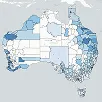

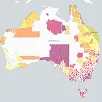


The total adult population (15 years or older) of City Beach 6015 WA is 5,601, with a median age of 47. Of those, 60.36% are married, 6.16% are divorced or separated, 27.69% are single and 5.84% are widowed.
The average household size is 2.8 people per dwelling, and the median household monthly income is estimated to be $18,368. The median monthly mortgage repayment for households in this suburb is $4,000 which is 21.78% of their earnings.
Source: ABS Census Data (2021)