
Kinross, WA 6028

Good to know:
Kinross is a suburban gem located in the northern suburbs of Perth, Western Australia, falling under the City of Joondalup. Just 29 kilometres north of the Perth CBD, Kinross offers a family-friendly environment with well-maintained parks, such as Falkland Park and MacNaughton Park. The suburb predominantly features modern homes with a strong community spirit. Kinross Primary School and Kinross College serve local educational needs. Its proximity to Currambine Train Station and the Mitchell Freeway provides easy access to the city, while nearby shopping centres meet day-to-day needs.
Read More
Kinross WA 6028 shows a house-focused suburban market with a Typical Price of $1,008,286, median rent $777/week and a gross yield of 4.01% — useful anchors when assessing the Kinross property market and Kinross WA 6028 property investment choices. House prices in Kinross sit above entry-level metro values, supported by a high IRSAD (1046) and structurally tight supply metrics, but affordability is a clear constraint with an estimated 43 years to own.
Property market outlook
Kinross houses: structurally supply-constrained and socio-economically advantaged. Low Stock on Market (0.29%), short Inventory (1.83 months) and minimal building approvals (BA Ratio 0.08%) point to tight established-supply dynamics that are typically supportive of capital appreciation over time. Demand indicators are positive: Days on Market of 32 days is in the high-demand band and discounting is implied to be low. Vacancy at 1.4% is in the balanced range — adequate rental demand but not excessively tight. The yield of 4.01% is above a conservative 3% benchmark, giving reasonable income potential for houses at current typical prices. Counterbalancing these strengths is a very high affordability estimate (43 years) which compresses the pool of prospective owner-occupiers and makes the market more sensitive to interest-rate and wage-growth outcomes.
Pros
- Tight sell-side supply: SoM 0.29% and inventory 1.83 months indicate low available stock, which supports price resilience.
- Low new-supply risk: BA Ratio 0.08% suggests limited construction pressure on established house values.
- Socio-economic strength: IRSAD 1046 (opportune) correlates with demand for quality housing and longer-term value support.
- Rental yield acceptable: 4.01% gross is above common investor thresholds, providing a reasonable income cushion at current prices.
- Fast selling market: DOM 32 days signals active buyer interest and limited discounting.
- Low unit prevalence: UH Ratio 3% (opportune) means the market is dominated by houses — fewer smaller-format competitors.
Cons
- Poor affordability: 43 years to own is materially above the 30‑year threshold and is a meaningful constraint on broad buyer demand and first-home buyer participation.
- Vacancy not tight: 1.4% sits in the balanced range; rental upside exists but is not extreme, limiting immediate yield expansion.
- Neutral renter/owner split: RO Ratio 16% is only marginally favourable and suggests a modest tenant base relative to owner-occupiers.
- Hold period neutral: average turnover around 9.06 years reduces transaction velocity — useful for stability but can slow liquidity for sellers.
- Clearance Rate reported at 0% (neutral) likely reflects few auctions rather than weak demand, but it reduces a transparent market pricing mechanism for some buyers.
Investment strategies
- Core long-only growth: For investors prioritising capital gains, target well-located three- and four-bedroom houses with structural appeal (good block sizes, proximity to schools/amenities). Tight supply and strong socio-economic indicators favour long-hold strategies.
- Cash-flow-aware buys: The ~4% gross yield is workable but not high. Seek properties that can lift net yield via modest renovations, improved tenancy management, or tax-efficient borrowing structures. Stress-test serviceability for rate rises given long affordability horizon.
- Buy-side tactics for agents: Prioritise off-market and owner-retention opportunities in low-stock pockets. Sellers in a tight market may still accept preferred terms for quick, clean trades — leverage short DOM and limited stock to negotiate favourable purchase conditions.
- Diversification of entry points: Given affordability headwinds, consider sub-$1.1m segments, or properties offering dual-income potential (granny flat/secondary suites where zoning allows) to improve returns and reduce downside risk.
- Monitor macro triggers: Track local wage growth, interest-rate trajectories and any planned transport/infrastructure spend in adjacent LGAs — these variables will materially affect buyer demand and the near-term capital-growth profile.
Is Kinross WA 6028 a good suburb to invest in?
Kinross WA 6028 is a defensible choice for investors with a medium-to-long investment horizon who seek house-centric suburbs with tight supply and solid socio-economic foundations. The combination of low listed stock, limited new approvals and an IRSAD of 1046 supports a favourable capital-growth backdrop. However, the market’s high affordability metric (43 years) raises a clear caution: the buyer pool is constrained and the market is sensitive to rate and income shocks. For cashflow-focused investors, yields are adequate but not generous, so selection must prioritise rent-optimised assets or value-add opportunities. Overall: appropriate for disciplined, longer-term investors and buyers agents who can identify low-supply micro-locations and manage finance stress testing; less suited to short-term, high-leverage speculation.
About HtAG Analytics Data
Metrics reported above are drawn from HTAG’s base set for suburb-level analysis: Typical Price, Median Rent, Sales and Rentals counts, Change (%) over select periods, Gross Rental Yield, Capital Growth estimates (CG + low/high), Total RoI, Rent Increase projection, Volatility Index, Confidence, Relative Composite Score™, IRSAD, Renter/Owner Ratio, Unit/House Ratio, Affordability (Years to Own), Growth Rate Cycle (GRC), Stock on Market (SoM & SoM%), Inventory (Months), Building Approvals & BA Ratio, Hold Period, Days on Market, Discounting, Vacancy Rate, Vacancies, Days on Rental Market (DoRM), Buy & Rent Search Index, Auction Clearance Rates, Population, Estimated Dwellings, School Rank, and infrastructure proxies. There are additional specialised metrics available on HTAG dashboards; the list above is the principal set we use for initial market shortlisting.
HTAG’s methodology is designed to reflect both current local conditions and meaningful historical trends to enable relative market analysis at or near the point of purchase. In the Kinross context that means our metrics are curated to highlight how supply tightness, socio-economic position and rental market dynamics combine to influence local house prices — a different emphasis from providers who focus primarily on broader public datasets for macro commentary. While some metrics share names with other vendors, HTAG’s curation, locality transforms and trend treatments introduce distinct measurement nuances tailored for transactional decision-making.
Finally, note the snapshot above describes current value metrics for Kinross houses but does not substitute for trend analysis: metric trajectories and the relative weight of metrics differ by investor strategy. Some indicators (e.g. affordability, supply measures, yield) matter more depending on borrowing capacity, timeframe and exit plan. Different investor profiles will shortlist different suburbs. HTAG excels at tailoring shortlist outputs to individual criteria rather than offering one-size-fits-all recommendations — for serious investors and buyer agents a comparative set of locations aligned to budget, risk appetite and time horizon is essential.
Updated: 1 Jun 2026
Read Less
Quick Area Stats

Dwellings

Population

EDI

Bushfire Risk Index

Flood Risk Index
Education & Infrastructure
Sign Up to Access

School Rank

Infra. Spend
Market Trends
Essential metrics effectively streamline the process of identifying markets that match your financial situation and investment objectives. Typical Price, Indicative Yield and Total ROI provide a swift means to shortlist areas that resonate with what you’re seeking and can afford. These metrics also serve as valuable general trend indicators, allowing you to visualise transaction volumes and dynamics of change.
1M
1Q
1Y
3Y
5Y
7Y
10Y
1M
1Q
1Y
3Y
5Y
7Y
10Y

1M
1Q
1Y
3Y
5Y
7Y
10Y
The Growth Rate Cycle (GRC) is a metric used to analyse the year-on-year change in property values, providing insights into the growth cycle of a particular area. It uses the “typical price” metric to gauge property values more accurately than median prices, and includes both actual and projected data for the current year.

Fundamental metrics play a vital role in providing a comprehensive analysis of the socio-economic environment within a specific suburb or region. Additionally, the Return on Investment (ROI) and Volatility Index are crucial metrics that aid in evaluating the prospective profitability and the level of risk or stability in the market.
Socio-economics
Sign Up to Access

IRSAD

Renter to Owner

Units to Houses
Projections
Sign Up to Access

Projected Annual ROI

Volatility Index
Quick Area Stats
Sign Up to Access

Annual Sales Volume

Annual Rentals Volume



Stock on Market

Building Approvals

Inventory

Hold Period




Supply metrics are crucial in gauging both the existing volumes of real estate listed for sale and the properties anticipated to enter the market soon. A diminished supply could signal opportunities for price appreciation, particularly when there’s corresponding buyer demand to buoy the market. The Stock on Market and Inventory level metrics (current values) are presented as a 3-month rolling average of monthly data shown in the charts. This means the last 3 months of data are averaged. The BA Ratio represents the proportion of building approvals over the latest 12 months relative to the total dwellings in the area.

Days on Market

Search Index

Vacancy Rate

Clearance Rate




Demand metrics underscore the level of interest that potential property buyers or tenants have in a specific suburb or locality. When demand outstrips the available supply, or if the supply fails to meet the intensity of buyer/renter interest, there’s a potential for prices to climb, underscoring the pivotal relationship between demand dynamics and property value trends. The Days on Market and Clearance Rate metrics (current values) are presented as a 3-month rolling average of monthly data shown in the charts. This means the last 3 months of data are averaged.
We invite you to contribute to the conversation by sharing your thoughts or raising questions about this market in the comment section below.
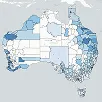

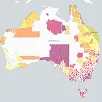


The total adult population (15 years or older) of Kinross 6028 WA is 5,602, with a median age of 38. Of those, 53.77% are married, 9.82% are divorced or separated, 33.31% are single and 3.03% are widowed.
The average household size is 2.9 people per dwelling, and the median household monthly income is estimated to be $9,680. The median monthly mortgage repayment for households in this suburb is $1,907 which is 19.70% of their earnings.
Source: ABS Census Data (2021)