
Crawley, WA 6009

Good to know:
Crawley, located in Western Australia with the postcode 6009, is a prestigious riverside suburb just 5 km from Perth's CBD. Home to the University of Western Australia, it boasts lush green spaces like Kings Park and the Swan River foreshore. The area is known for its elegant residential properties, historic buildings, and vibrant student life. Matilda Bay, a popular spot, offers stunning views and recreational activities. With its blend of education, nature, and convenience, Crawley is a highly sought-after suburb for both students and professionals.
Read More
Crawley WA 6009 property market shows a high-value, tightly-held housing segment with a typical price of $1,785,531, median rent of $773 pw and a low gross yield of 2.25%. Crawley WA 6009 property investment data points to an affluent profile (IRSAD 1043) combined with unusually poor affordability (estimated 89 years to own) and strong rental tightness (vacancy 0.4%), creating a market skewed toward capital value rather than yield.
The data for houses in Crawley highlights contrasting forces: limited established supply and long hold periods support capital retention, while a high proportion of renters and a dominant unit stock profile create demand dynamics that are different to typical family-suburban markets. House prices in Crawley are high and the immediate rental income return is below conventional yield thresholds, so strategy and investor profile matter.
Property market outlook
Crawley’s housing market is structurally geared to capital appreciation rather than rental yield. Low vacancy (0.4%) and a long average hold period (15.9 years) indicate tightly-held, rental-lean stock with ongoing rental demand—supportive of rent stability and price resilience. Inventory at 1.71 months is in the opportune (low supply) band, reinforcing short-term scarcity for listed homes. However, the high Building Approvals Ratio (17.82%) signals a substantial pipeline of new residential supply that could alter the supply/demand balance if many approvals translate into completions, particularly where unit construction dominates. Buyer search interest is weak (Buy Search Index 2) and affordability is extreme (89 years), so prospective owner-occupiers are constrained and the market relies heavily on investors and renters. Overall, expect Crawley house prices to be driven by lifestyle, location and scarcity more than by rental cashflow.
Pros
- Strong socio-economic profile: IRSAD 1043 indicates above-average affluence, supportive of long-run capital growth.
- Very low vacancy (0.4%): robust rental occupancy, which reduces tenant churn and downside rent risk.
- Low inventory (1.71 months) and long hold period (15.9 years): suggest established properties are tightly held and supply of resales is limited.
- Typical price scale: premium pricing can attract capital growth investors seeking blue‑chip inner/suburban exposures.
Cons
- Very low gross yield (2.25%): below the common 3% guideline, making Crawley poor for yield-focused portfolios.
- Extremely poor affordability (89 years): constrains local owner-occupier demand and narrows buyer pool to investors and high‑income households.
- High renter share (Renter/Owner 63%): market driven by rental demand can be more seasonal and sensitive to tertiary/student activity and employment cycles.
- Unit-heavy supply profile (Units/Houses 87%) and high approvals (BA Ratio 17.82%): significant ongoing development risk—new supply (mostly units) could cap price growth or increase competition for rental tenants.
- Low buyer search activity (Index 2): softer transactional demand may increase time-to-sale and price sensitivity for vendors.
Investment strategies
- Capital-growth core buy: Suitable for investors with long holding horizons who prioritise capital appreciation over near-term cashflow. Target high-quality houses with attributes that premium buyers value (river views, proximity to UWA, low-maintenance yards, heritage charm).
- Value-add or repositioning: Seek houses where refurbishment, subdivision potential (subject to council controls) or legal secondary dwellings can materially improve yield and resale value—this can partially offset low starting yields.
- Tactical unit exposure instead of houses: Given the dominant unit stock and high approvals, deliberate acquisition of well-located, professionally managed apartment assets might provide better operational efficiency and liquidity—though competition and supply risk are higher.
- Leverage rental tightness to reduce vacancy risk: Use short, targeted marketing windows and consider furnished or flexible leases to capture student/short-term markets where appropriate.
- Risk management via diversification: If adding Crawley houses to a portfolio, balance with higher-yielding assets in other suburbs or asset types to manage overall cashflow risk.
- Monitor pipeline and sales activity: Track completions from the approval pipeline and clearance/search indices; accelerate exit or review valuations if share of new supply materially increases.
Is Crawley WA 6009 a good suburb to invest in?
Crawley WA 6009 is a specialist play: attractive for investors seeking long-term capital growth in a high-amenity, tightly-held precinct, but unattractive for investors prioritising immediate rental yield. Low vacancy and long hold periods support capital retention and rent stability, yet very low yield (2.25%), extreme unaffordability (89 years) and heavy unit concentration plus a significant approvals pipeline raise execution risk. If you can tolerate low starting cashflow, have a multi-year time horizon and select houses with distinct scarcity attributes, Crawley can be a worthwhile allocation. For yield-driven strategies or shorter hold periods, alternative suburbs with stronger yields and more balanced supply-demand profiles are preferable.
About HtAG Analytics Data
HtAG reports a base set of suburb-level metrics (reported per dwelling type where relevant): Typical Price, Median Rent, Sales, Rentals, Percentage Change over key periods, Gross Rental Yield, Capital Growth (per annum) with low/high ranges, Total RoI (Yield + Growth), Projected Rent Increase, Volatility Index (MAPE-based), Confidence (data accuracy proxy) and a Relative Composite Score™. There are additional advanced metrics in our dashboards (e.g. IRSAD, Renter/Owner ratio, Units/Houses ratio, Years to Own affordability, Growth Rate Cycle, Stock on Market, Inventory (months), Building Approvals & BA Ratio, Hold Period, Days on Market, Discounting, Vacancy Rate, Buy & Rent Search Index, Auction Clearance Rate, DoRM, population and infrastructure proxies) that provide further granularity.
HtAG’s methodology is focused on capturing both current market conditions and historical trends to support relative market analysis at or near the point of purchase. Unlike some public-data services that emphasise high-level national narratives, HTAG metrics are curated and modelled to highlight suburb-level nuances that matter to buyers agents and active investors—same metric names can behave differently because of our distinct curation, segmentation and trend adjustments.
Note: the snapshot above reports current value metrics for Crawley WA 6009 houses but does not substitute for trend analysis. Metric trajectories and the weighting of individual indicators vary by strategy and investor circumstances; affordability, leverage capacity, desired hold period and risk appetite will change which suburbs are appropriate. HTAG is designed to shortlist and compare markets against specific investor criteria rather than apply one-size-fits-all rankings. For professional decision-making, perform relative analysis across candidate suburbs and horizons aligned to your objectives.
Updated: 1 Jun 2026
Read Less
Quick Area Stats

Dwellings

Population

EDI

Bushfire Risk Index

Flood Risk Index
Education & Infrastructure
Sign Up to Access

School Rank

Infra. Spend
Market Trends
Essential metrics effectively streamline the process of identifying markets that match your financial situation and investment objectives. Typical Price, Indicative Yield and Total ROI provide a swift means to shortlist areas that resonate with what you’re seeking and can afford. These metrics also serve as valuable general trend indicators, allowing you to visualise transaction volumes and dynamics of change.
1M
1Q
1Y
3Y
5Y
7Y
10Y
1M
1Q
1Y
3Y
5Y
7Y
10Y

1M
1Q
1Y
3Y
5Y
7Y
10Y
The Growth Rate Cycle (GRC) is a metric used to analyse the year-on-year change in property values, providing insights into the growth cycle of a particular area. It uses the “typical price” metric to gauge property values more accurately than median prices, and includes both actual and projected data for the current year.

Fundamental metrics play a vital role in providing a comprehensive analysis of the socio-economic environment within a specific suburb or region. Additionally, the Return on Investment (ROI) and Volatility Index are crucial metrics that aid in evaluating the prospective profitability and the level of risk or stability in the market.
Socio-economics
Sign Up to Access

IRSAD

Renter to Owner

Units to Houses
Projections
Sign Up to Access

Projected Annual ROI

Volatility Index
Quick Area Stats
Sign Up to Access

Annual Sales Volume

Annual Rentals Volume



Stock on Market

Building Approvals

Inventory

Hold Period




Supply metrics are crucial in gauging both the existing volumes of real estate listed for sale and the properties anticipated to enter the market soon. A diminished supply could signal opportunities for price appreciation, particularly when there’s corresponding buyer demand to buoy the market. The Stock on Market and Inventory level metrics (current values) are presented as a 3-month rolling average of monthly data shown in the charts. This means the last 3 months of data are averaged. The BA Ratio represents the proportion of building approvals over the latest 12 months relative to the total dwellings in the area.

Days on Market

Search Index

Vacancy Rate

Clearance Rate




Demand metrics underscore the level of interest that potential property buyers or tenants have in a specific suburb or locality. When demand outstrips the available supply, or if the supply fails to meet the intensity of buyer/renter interest, there’s a potential for prices to climb, underscoring the pivotal relationship between demand dynamics and property value trends. The Days on Market and Clearance Rate metrics (current values) are presented as a 3-month rolling average of monthly data shown in the charts. This means the last 3 months of data are averaged.
We invite you to contribute to the conversation by sharing your thoughts or raising questions about this market in the comment section below.
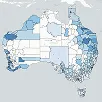

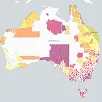


The total adult population (15 years or older) of Crawley 6009 WA is 3,671, with a median age of 24. Of those, 24.71% are married, 4.88% are divorced or separated, 68.13% are single and 2.29% are widowed.
The average household size is 2.0 people per dwelling, and the median household monthly income is estimated to be $7,904. The median monthly mortgage repayment for households in this suburb is $1,941 which is 24.56% of their earnings.
Source: ABS Census Data (2021)